MADE IN THE USA SINCE



4 Tips for Brush Hogging in Wet Conditions
- Sales Rep Acct
- Swisher Products, Tips, and Advice
- Sep 24, 2025
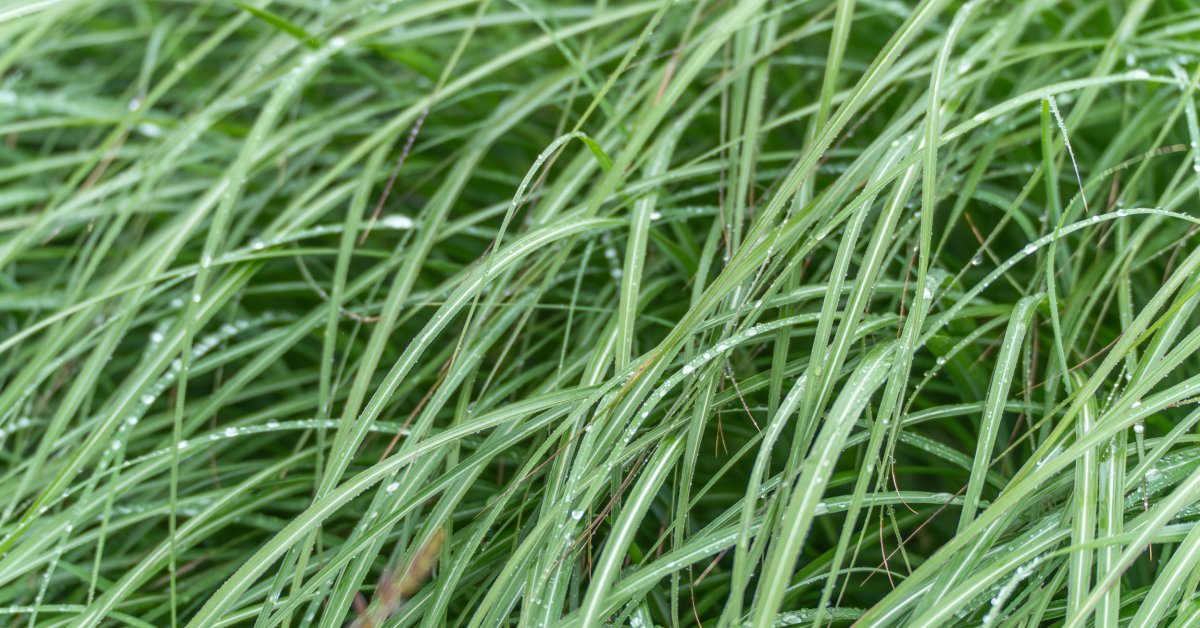
While dry conditions are ideal when it comes to mowing, wet fields don’t have to derail your brush hogging schedule. With the right techniques and adjustments, you can safely and effectively manage overgrown vegetation even when moisture levels are high. These proven strategies will help you brush hog your field in wet conditions while protecting both your equipment and the land.
Test Soil Conditions Before Starting
Even though it’s okay to cut through wet fields, you don’t want them to be completely soaked. The soil squeeze test provides a reliable gauge for determining ground readiness. Grab a handful of soil from your target area and squeeze firmly. If the soil forms a compact ball or water seeps between your fingers, postpone your brush hogging operation.
Properly conditioned soil should crumble slightly when squeezed, indicating adequate moisture levels without oversaturation. Working on oversaturated ground risks creating deep ruts, compacting soil, and potentially getting your tractor stuck in muddy conditions.
Adjust Your Cutting Height Strategy
When tackling wet vegetation, a helpful tip is to raise your brush hog’s cutting height. Set your equipment 2-3 inches higher than your normal dry conditions setting. An optimal height of 6-8 inches prevents wet vegetation from accumulating and clogging your mower deck, which can strain your engine and reduce cutting efficiency.
This elevated approach also reduces stress on your blades and decreases the likelihood of creating ruts in softened soil. Higher cutting means less resistance against waterlogged stems and leaves that would otherwise bog down your equipment.
Modify Your Mowing Pattern and Speed
When it’s wet outside, you should mow perpendicular to slopes rather than parallel to minimize erosion risks on the damp ground. This technique prevents water channeling and reduces soil displacement during your operation. In general, you should try to overlap your passes by 25-30% to ensure complete coverage, as wet vegetation tends to bend rather than stand upright for clean cutting.
Be sure to also reduce your normal operating speed by 30-40% to allow your blades adequate time to process the heavier, moisture-laden vegetation. Lower speeds will provide better control when navigating soft or uneven terrain, reducing the risk of equipment damage or operator injury.
Select Appropriate Equipment Modifications
Heavy-duty brush hogs with reinforced decks handle wet conditions more effectively than lightweight models. Still, the right walk-behind rough-cut mower will be able to cut through damp brush with ease. Sharp blades are also essential, as dull blades will tear rather than cut wet vegetation, creating ragged edges that invite disease and pest problems.
Consider upgrading to tires with aggressive tread patterns that provide superior traction in slippery conditions. Tire chains offer additional grip when navigating particularly challenging terrain, though they may not be suitable for all field types.