MADE IN THE USA SINCE



5 Common Issues With Log Splitters and How To Fix Them
- Sales Rep Acct
- Swisher Products, Tips, and Advice
- Mar 10, 2026
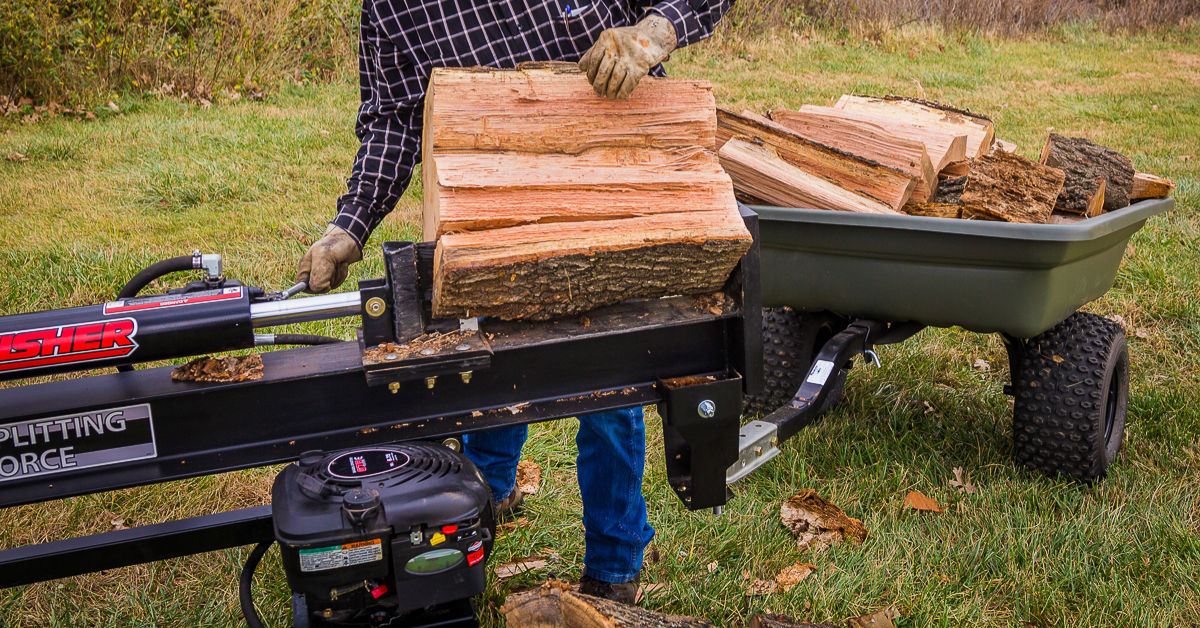
A log splitter can help turn a long day of firewood processing into a much more manageable task. For landowners and property managers who depend on this kind of equipment, downtime can be quite the inconvenience. While ongoing maintenance can help mitigate this issue, even the best of these machines can develop issues over time, especially with regular use. The key is recognizing common log splitter problems early and knowing how to respond, which this guide is here to help you with.
1. Log Splitter Won’t Start
An engine that refuses to start is one of the most frequent issues owners face. In many cases, the cause is simple and maintenance-related rather than mechanical failure. Old or contaminated fuel, a dirty air filter, or a worn spark plug can all prevent ignition.
Before assuming a larger issue, double-check that you’ve opened the fuel valve and positioned the choke correctly. If that’s not the issue, replacing stale fuel and installing a new spark plug often restores normal operation and keeps small problems from escalating.
2. Hydraulic Ram Moves Slowly or Lacks Power
When the hydraulic ram cycles slowly or struggles to split hardwood, performance can drop noticeably. Low hydraulic fluid is a common culprit, as insufficient fluid reduces system pressure. Air trapped in the hydraulic lines or cold oil in lower temperatures can also limit efficiency.
Start by checking the fluid level and inspecting hoses or fittings for leaks. Allowing the machine to warm up before heavy use and addressing fluid issues promptly can help maintain a consistent splitting force.
3. Hydraulic Fluid Leaks
Visible oil around hoses, fittings, or the cylinder typically signals a hydraulic leak. Even minor leaks can reduce pressure and affect overall performance over time. Loose connections, cracked hoses, and worn seals are frequent causes.
Carefully tightening fittings and replacing damaged components can prevent further fluid loss. Cleaning the area after repairs makes it easier to monitor for ongoing issues and confirm the repair was successful.
4. Wedge Gets Stuck in the Log
Another common issue with log splitters you should know how to fix is when a wedge becomes lodged in a log. This issue can interrupt workflow and strain the machine. This often happens when splitting knot-heavy, stringy, or oversized wood.
Forcing the splitter to power through isn’t the best idea, as this can increase wear and create unnecessary stress on components. Instead, slowly reverse the ram to relieve pressure and reposition the log. Cutting larger pieces into smaller sections before splitting can also reduce the chances of repeated jams.
5. Excessive Vibration or Unusual Noises
Rattling, knocking, or unusual vibration during operation is never something you should ignore. These symptoms often point to loose mounting bolts, low fluid levels, or worn components. Continued use without inspection may lead to additional damage over time.
Check engine mounting hardware, confirm proper hydraulic and engine oil levels, and tighten any loose parts. If the noise continues after basic checks, further inspection may be necessary before returning the machine to regular use. If the issues are severe enough, a new wood splitter might be necessary.