MADE IN THE USA SINCE



5 Safety Tips for Preparing for a Tornado
- Sales Rep Acct
- ESP Safety Shelter
- Jan 16, 2026
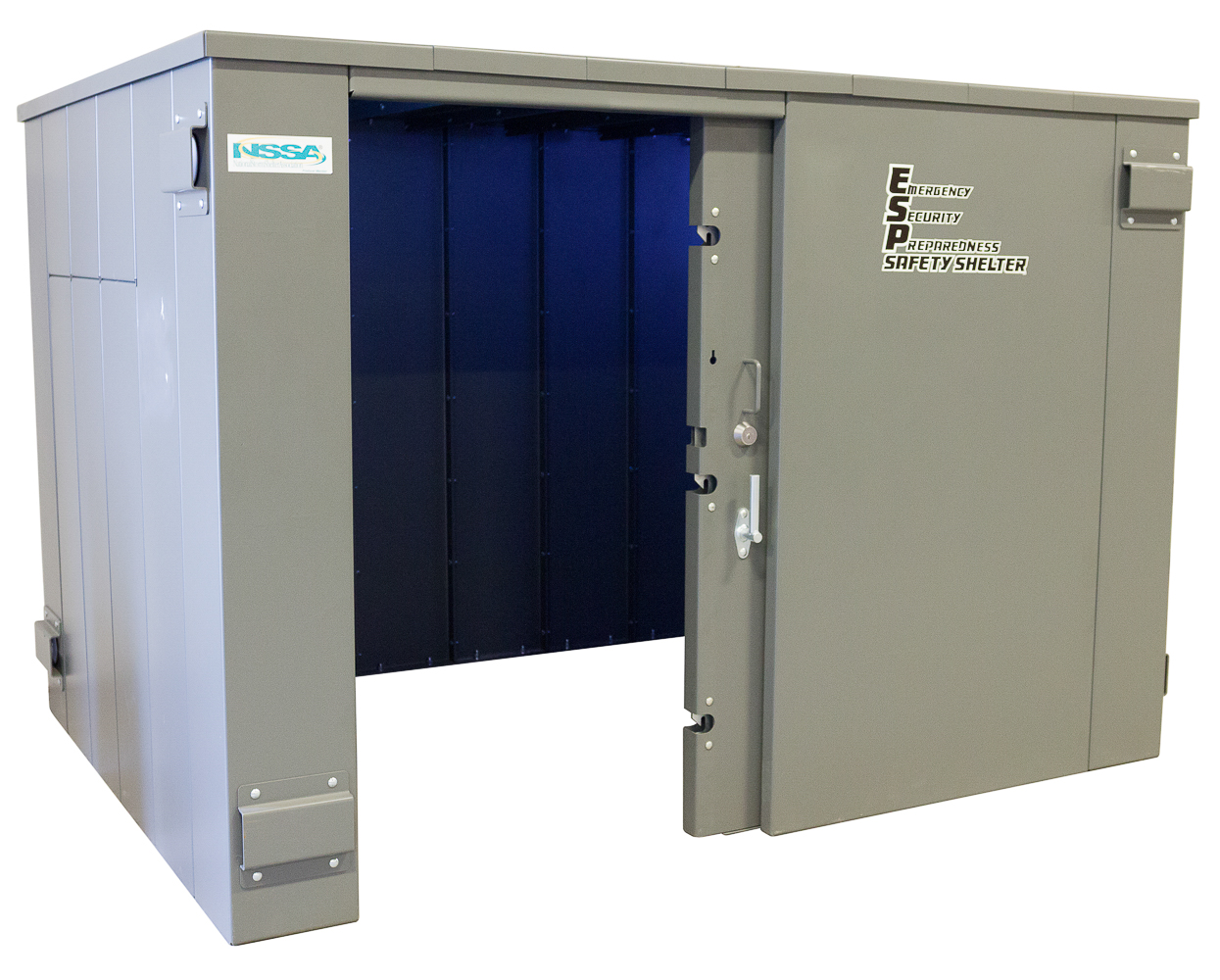
Since tornadoes can appear in an instant, you need to be prepared for them in advance. We’ve provided some tips that can help you get started.
Tornadoes are among nature’s most violent storms, capable of striking with little warning and leaving a path of significant destruction in seconds. Since nothing can be done to prevent a tornado, comprehensive preparation is the single most effective way to protect your household and property.
Implementing a robust safety plan ensures you can react quickly and decisively when the sky turns dark. To help you formulate one yourself, here are five safety tips to help you prepare for potential tornadoes.
1. Understand Tornado Warnings and Alerts
Knowing the specific terminology used by the National Weather Service is vital for situational awareness. A tornado watch indicates that weather conditions are favorable for the development of severe thunderstorms capable of producing tornadoes. This is the time to stay alert and ready to act.
Next comes the tornado warning, which means a funnel cloud has been sighted by storm spotters or indicated by weather radar. When a warning is issued, immediate action is required to seek shelter. Always keep a NOAA weather radio handy or enable emergency alerts on your smartphone to ensure you receive life-saving information even if the power fails.
2. Create a Tornado Emergency Kit
Your emergency supply kit should be self-sufficient enough to sustain your family for at least 72 hours after a disaster. Stock up on non-perishable food, water (one gallon per person per day), a high-powered flashlight with extra batteries, and a comprehensive first aid kit.
Don’t forget to waterproof essential documents like insurance policies, medical records, and identification. Be sure to also include a loud whistle in your kit; this simple tool is often more effective than shouting for helping rescue teams locate you if you become trapped in debris.
3. Identify a Safe Shelter Spot
Determine your “safe place” well before the storm hits. Storm cellars or basements are both great protectors against extreme winds. If an underground shelter isn’t an option, choose a small, windowless interior room or hallway on the lowest level of your building.
If you want even more protection, consider installing an ESP safety shelter for your home. No matter the kind of shelter you have, keep heavy blankets or a mattress there so you can cover yourself to protect against potential flying debris.
4. Practice Tornado Drills
A safety plan is only effective if everyone in the household knows how to execute it under stress. Conduct regular tornado drills so every family member knows exactly where to go and what to do. Time your response to ensure you can reach shelter within seconds.
Remember to account for pets in your strategy. Keep leashes, carriers, and a supply of pet food easily accessible near your designated safe spot to ensure they aren’t left behind in the chaos.
5. Secure Your Home
When it comes to preparing your home for a tornado, it’s important to remember that mitigation starts outside. Trim diseased or overhanging tree branches that could become dangerous projectiles in high winds. Secure loose outdoor furniture, trash cans, and garden tools that could damage your home’s exterior.
Additionally, familiarize yourself with how to shut off your home’s main gas, water, and electricity valves. If structural damage occurs, knowing how to quickly cut utilities can help prevent secondary hazards like fires, explosions, or flooding.