MADE IN THE USA SINCE



6 Tips for Revitalizing an Overgrown Field
- Sales Rep Acct
- Swisher Products, Tips, and Advice
- Jul 15, 2025
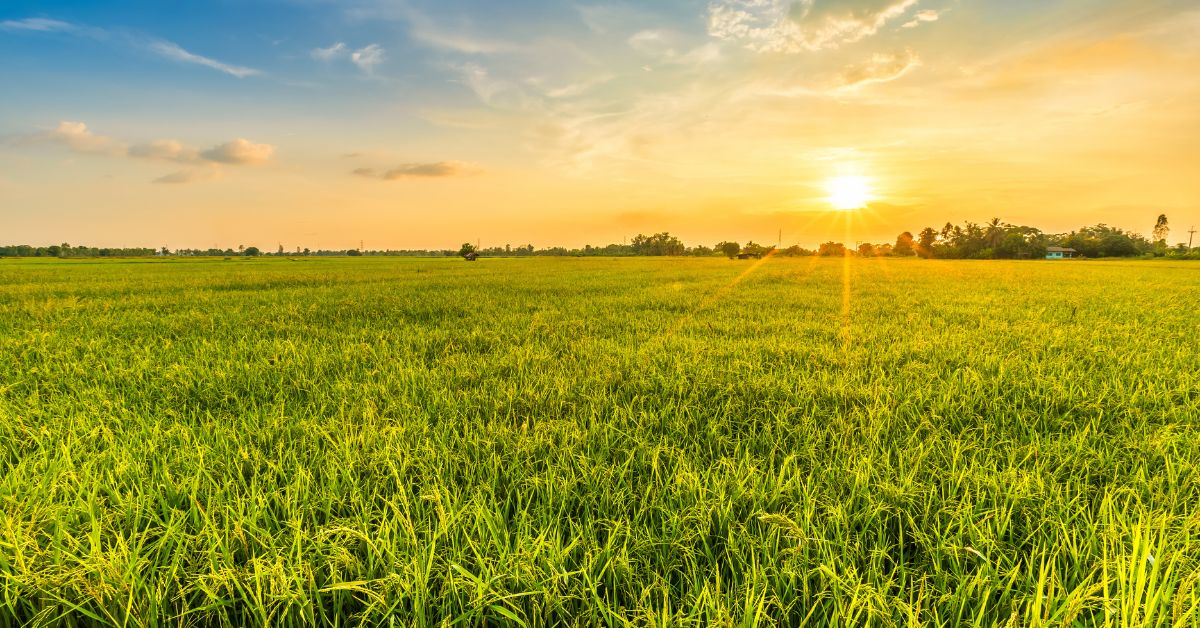
Revitalizing an overgrown field can feel like an insurmountable task at times, especially if it’s been neglected for a few years. Fields can become dominated by invasive plants and poor soil conditions when things get really bad, making maintenance even more difficult.
Fortunately, there’s no such thing as a “point of no return.” With some hard work and a proper plan, you can bring your land back from the brink in no time. Here are six actionable tips for revitalizing an overgrown field to guide you through the process.
Identify the Type of Overgrowth
Assess what you’re up against before you start clearing. Overgrown fields can contain a mix of invasive weeds, wild grasses, shrubs, and even young trees. Identifying these elements can help you determine your approach and tools. For example, fields with woody plants may require chainsaws or heavy-duty brush cutters, while areas dominated by grasses and weeds might only need a scythe or a mower.
Understanding whether your land’s vegetation consists of harmful or invasive species is especially important. Some invasive plants can spread aggressively and require specialized removal techniques to prevent regrowth. Additionally, be aware of any protected plant species that you shouldn’t remove, since doing so could violate local conservation laws.
Either way, performing this analysis upfront will save time and ensure you have the proper resources. Don’t be afraid to utilize online plant identification guides or consult a local horticulturist for assistance if needed.
Clear Away Initial Overgrowth
Once you know what you’re dealing with, the first step to revitalizing this type of field is tackling the visible overgrowth. Begin by cutting down tall grasses, weeds, and any shrubs obstructing the land. Using brush cutters or even scythes can make this part of the process more efficient. Consider renting a tractor with a bush hog attachment for larger fields.
Once you clear away the top layer, you’ll likely uncover hidden obstacles, such as rocks, trash, or old equipment. You’ll likely need to remove these items by hand before you can proceed. Remember to wear protective clothing and gloves during this stage to shield yourself from potential cuts from the debris. Additionally, this kind of protective gear can protect you from snakes, ticks, and rodents.
Cutting down fields plagued by invasive plants won’t be good enough. Instead, you must use herbicide treatments to ensure the roots don’t resprout. Dig out the invasive plants by hand or use specialized removal tools to address the deeper root systems if herbicides aren’t an option due to environmental concerns.
Improve Soil Health
After clearing the field, turn your attention to the dirt underneath. Often, overgrown fields have depleted or compacted soil due to neglect or invasive plant growth. Start by performing a soil test to measure pH levels and identify nutrient deficiencies. Affordable kits are widely available online, or you can send a sample to a local agricultural extension office for in-depth analysis.
Amending soil issues is key to revitalization. Take the time needed to correct pH imbalances. Do this by adding lime to acidic soil or sulfur to alkaline soil. You can then replenish nutrients by using compost, aged manure, or organic fertilizers rich in nitrogen, potassium, and phosphorus. Be sure to focus on organic solutions, if possible, as synthetic fertilizers can degrade the soil over time.
After that, aerating the soil will be equally important. Compact soil limits root growth and water penetration, so use a tiller or aerator to loosen it. Consider incorporating cover crops for severely degraded soil, such as clover or alfalfa, which can alleviate nitrogen issues and enhance organic matter in the soil.
Introduce New Plants
You must enhance your soil with some new plants if you want to truly revitalize your land. Choose plants based on your field’s intended use, considering climate, soil type, and desired outcome. Whether it’s for agriculture, a garden, pasture, or a wildlife-friendly area, tailoring your choices accordingly will lead to better results.
Select hardy grasses or legumes, such as fescue, timothy, or white clover, for pastures or functional green spaces. Farmers may opt for crops suited to their region, while gardeners might favor perennial flowers or shrubs. Consider native grasses and flowering plants that support local pollinators and animals if you aim to attract wildlife.
Plant strategically to prevent the return of invasive weeds. Dense planting can provide a natural defense, making it more difficult for weeds to take root and compete for sunlight and nutrients.
Something else to keep in mind is that it’s ideal to seed or plant during the appropriate season, ensuring you provide enough water and mulch for young plants to establish roots. Remember to be patient; a thoroughly revived field may take a couple of growing seasons to reach its full potential.
Protect Your Plants
Your newly introduced plants need protection to thrive. Once-overgrown fields often attract wildlife that used to frequent the location, so installing barriers, such as fencing or netting, might be necessary to limit their access. Consider planting pest-resistant plants around the edges of the field as a natural deterrent if fencing isn’t feasible.
Since weeds will attempt to return, regular maintenance will be necessary to control their spread. Mulching is an excellent way to suppress weed growth while retaining soil moisture. Organic mulches, such as straw, wood chips, or grass clippings, break down naturally, further enriching the soil.
Avoid overwatering and reduce stressors by protecting young plants from strong winds with temporary windbreaks if necessary. This proactive care ensures a stronger, healthier field over time.
Consider Drainage
Fields with excess water or poor drainage will struggle to sustain healthy plant life through the years. Look for telltale signs of drainage issues, such as standing water, waterlogged soil, or plant rotting near low-lying areas.
Installing a drainage system may resolve these issues, so investigate what’s available for your field. Options range from building simple trenches to installing underground drain tiles for larger fields. Grading the field to slope away from water collection points can also significantly improve drainage.
Native plants adapted to wet conditions can thrive in areas with heavy soil moisture. Alternatively, create a rain garden to handle water runoff effectively, giving you a functional and visually appealing feature. Getting this right will benefit plant health and minimize erosion, making it vital for revitalizing an overgrown field.
How Swisher Can Help
Swisher is a go-to source for all kinds of field equipment when it comes to field maintenance. We have just what you’re looking for, from brush-cutters to timber management gear. Don’t forget to look into our pull-behind field mowers, perfect for maintaining your field long after you’ve fully revitalized it.
