MADE IN THE USA SINCE



8 Helpful Strategies for Mowing Large Fields
- Sales Rep Acct
- Swisher Products, Tips, and Advice
- Feb 23, 2026
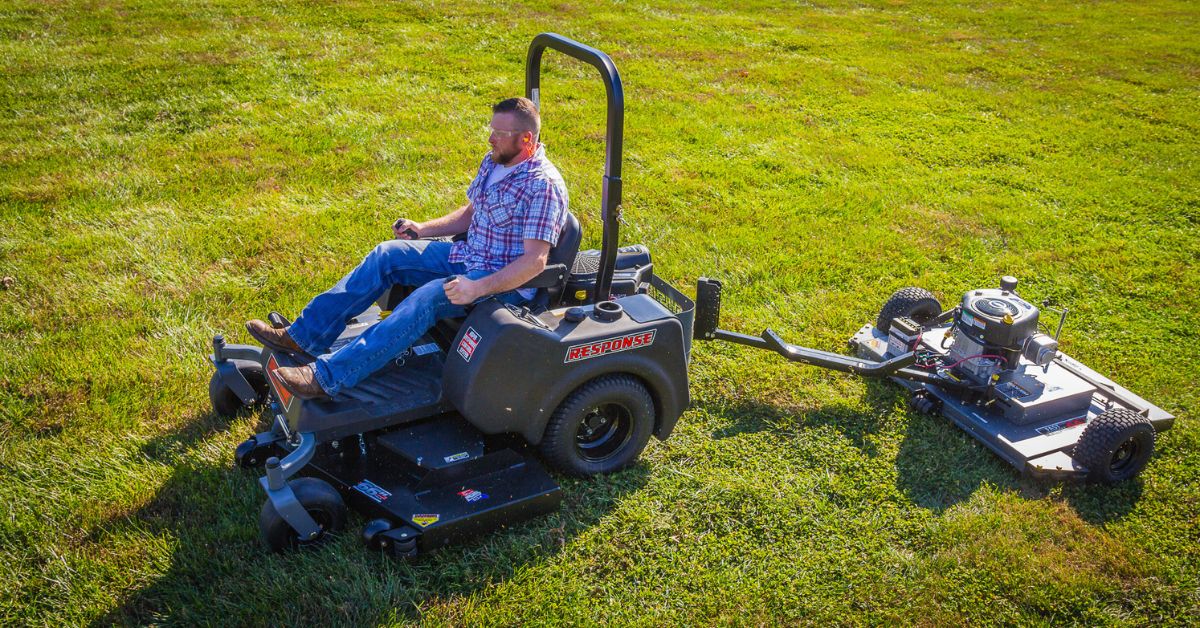
Managing a large field comes with a unique set of challenges. What begins as a seemingly manageable open space can quickly turn into thick overgrowth that demands long hours behind the controls. That’s because, unlike smaller properties, large fields demand a more deliberate approach. Without a clear plan, mowing sessions can stretch longer than expected and leave inconsistent results.
While it’s still a daunting task, taking a more strategic approach simplifies the process. With the right plan, maintaining large acreage becomes more predictable and manageable. These strategies for mowing large fields focus on practical steps that improve efficiency while protecting both your field and your equipment.
1. Create a Long-Term Mowing Schedule
Consistency plays a major role in the proper management of large fields. Allowing vegetation to grow unchecked between mowing sessions creates thicker material that is harder to cut and more taxing on equipment. Establishing a predictable schedule helps keep growth manageable and reduces overall strain on engines and blades.
Seasonal patterns should guide mowing frequency. During peak growing months, fields may require more frequent maintenance to prevent excessive height and density. In slower growth periods, you can extend intervals without sacrificing control. Monitoring rainfall and temperature trends can also help determine when adjustments are needed.
Maintaining a routine reduces the likelihood of major overgrowth, which often requires slower passes and additional fuel. Lighter, more regular cuts are typically faster and more efficient. Over time, this approach helps stabilize both field conditions and operational workload.
2. Use Sectioning to Manage Large Acreage
Breaking a large field into smaller zones makes the work more manageable and organized. Attempting to cover everything in a single, undefined sweep increases the chance of missed areas and inconsistent coverage. Clearly defined sections allow you to focus on one area at a time with greater precision.
Sectioning also supports better time management. You can prioritize high-growth areas or zones with heavier vegetation while rotating through others as needed. This prevents certain portions of the field from becoming neglected or overgrown.
In addition, dividing acreage into segments reduces operator fatigue. Large mowing sessions can be physically demanding, especially on uneven terrain. Working within defined sections creates logical stopping points and helps maintain steady performance throughout the job.
3. Optimize Your Mowing Pattern
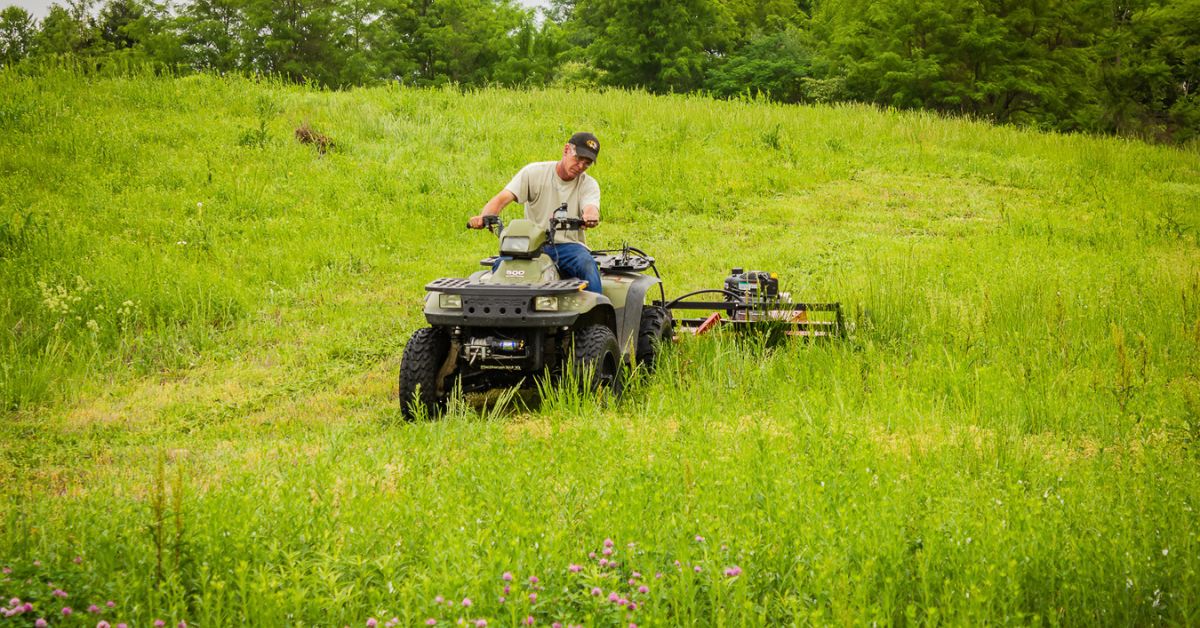
After you’ve sectioned out your land, using a more efficient mowing pattern can further help you reduce wasted movement and improves coverage. Starting with perimeter passes establishes clear boundaries and creates turning space for interior runs. This method minimizes tight maneuvers that can damage turf or strain equipment.
Keep in mind that maintaining consistent overlap between passes prevents narrow strips of uncut vegetation. Overlapping too little leaves missed lines, while overlapping too much wastes time and fuel. Developing a steady rhythm helps maintain even spacing across the field.
Alternating mowing direction between sessions can improve overall field condition. Changing direction reduces soil compaction patterns and encourages more even regrowth. Following the natural contours of the terrain also helps prevent scalping and improves stability on slopes or uneven ground.
4. Improve Safety Before and During Each Pass
Safety preparation is especially important when working across large, open areas. Fields often contain hidden hazards such as rocks, fallen branches, or uneven ground that may not be visible from the operator’s seat. Overviewing the area before mowing allows you to identify and remove obstacles in advance.
It’s important to evaluate ground conditions as well before beginning. Wet or saturated soil reduces traction and increases the likelihood of ruts or sliding, particularly on slopes. Waiting for drier conditions can protect both the field surface and the equipment.
During operation, maintaining awareness of terrain changes is critical. Gradual adjustments to speed and direction help maintain control. Proper protective gear, including eye and hearing protection, reduces exposure to debris and prolonged noise during extended mowing sessions.
5. Choose Equipment Built for Rough Conditions
Given the task at hand, selecting equipment better suited for large fields will have a direct impact on efficiency and durability. The first thing to consider is the cutting width. It should align with the acreage size, as wider decks reduce the total number of passes required. However, maneuverability must still align with the layout and terrain of the property.
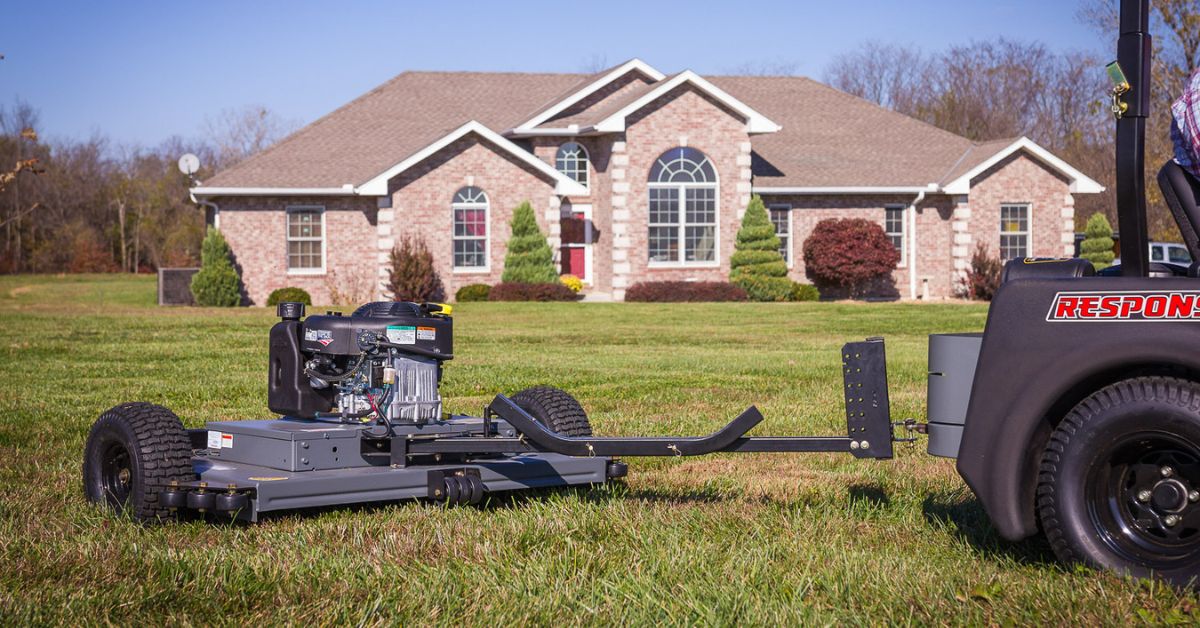
Adequate horsepower is essential for handling thick vegetation or brush. Undersized equipment may struggle in dense growth, resulting in slower progress and increased wear. Getting a tow-behind finish mower that matches power output to expected field conditions is beneficial for maintaining steady performance.
Also, durability features such as reinforced decks and heavy-duty frames contribute to long-term reliability. Large fields often feature uneven surfaces, debris, and variable terrain, which can put extra stress on lighter equipment. Investing in machinery designed for rugged use helps minimize downtime and repair costs.
6. Adjust Cutting Height Strategically
Cutting height is a factor that influences both field health and equipment longevity. Raising the deck slightly in rough or uneven areas reduces the risk of blade contact with rocks or soil. This simple adjustment can prevent damage and extend blade life.
In maintenance scenarios, lowering the cutting height gradually may improve appearance and encourage more uniform growth. However, cutting too low can stress vegetation and expose the soil. Finding a balanced height for your specific field conditions supports healthier regrowth.
Adjustments may also vary across sections of the property. Areas with thicker vegetation or uneven ground may require higher settings than flatter, more consistent zones. Being flexible with cutting height improves adaptability and results.
7. Control Speed for Efficiency and Cut Quality
Another useful strategy for mowing large fields is to take control of your speed. You’ll want to do this because your operating speed directly affects cut consistency and machine performance. Moving too quickly through dense vegetation can cause uneven results and force the equipment to work harder. Slowing down in heavy growth allows blades to maintain a cleaner cut.
Maintaining a steady throttle and consistent forward movement improves overall efficiency. Frequent changes in speed can create inconsistent cutting patterns and increase wear on mechanical components. Smooth, deliberate operation generally produces better outcomes.
Balancing speed with terrain conditions is also important. Uneven ground, slopes, or obstacles may require a reduced pace to maintain control. Adjusting speed thoughtfully helps protect both the operator and the equipment.
8. Stay Ahead of Maintenance Issues
Routine inspection and maintenance prevent small issues from becoming larger problems. Checking blade sharpness before mowing sessions ensures clean cuts and reduces strain on the engine. Dull blades tear vegetation and increase fuel consumption.
Inspecting belts, pulleys, fasteners, and tire pressure supports reliable operation across large areas. Minor mechanical issues can escalate quickly during extended use. Addressing them early reduces the likelihood of mid-job breakdowns.
Cleaning debris from the deck after each session prevents buildup that can trap moisture and accelerate corrosion. Regular lubrication of moving parts also improves efficiency and extends equipment lifespan. A proactive maintenance routine supports consistent performance throughout the mowing season.