MADE IN THE USA SINCE



A Complete Guide to Choosing the Right Storm Shelter
- Sales Rep Acct
- ESP Safety Shelter
- Nov 21, 2024
When it comes to protecting your family or workers from severe weather, having a reliable storm shelter can make all the difference. With the increasing frequency of extreme weather events, now has never been a better time to invest in a storm shelter that guarantees safety and peace of mind. If you’re unsure what to look for, though, this complete guide will walk you through choosing the right storm shelter for your needs.
Different Types of Storm Shelters
Storm shelters come in two main forms—underground and above ground—each with unique advantages and considerations. Understanding these options will help you choose the one that works best for your home or business.
Underground Storm Shelters
Underground storm shelters are a well-known choice due to their ability to provide robust protection from tornadoes and other severe weather conditions. As the name implies, these shelters are installed below ground level. Their construction can comprise various tough materials, including concrete, steel, and fiberglass, each providing different levels of durability and resistance.
One of the main benefits of underground storm shelters is their discreet nature. They do not take up additional space on your property, and once installed, they are hardly noticeable. This makes them an ideal choice for homeowners or businesses looking for a less conspicuous solution. However, it’s important to ensure that the location chosen for installation has good drainage to prevent water seepage during heavy rain.
Aboveground Storm Shelters
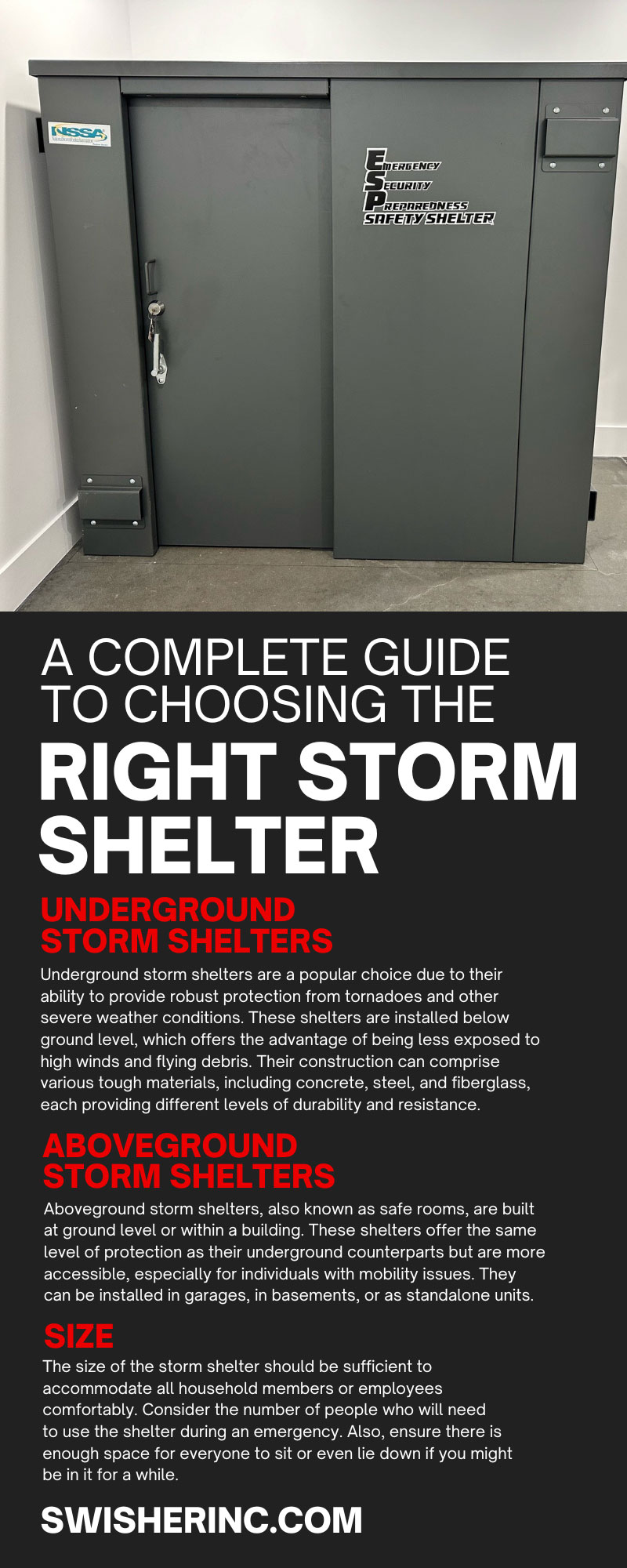
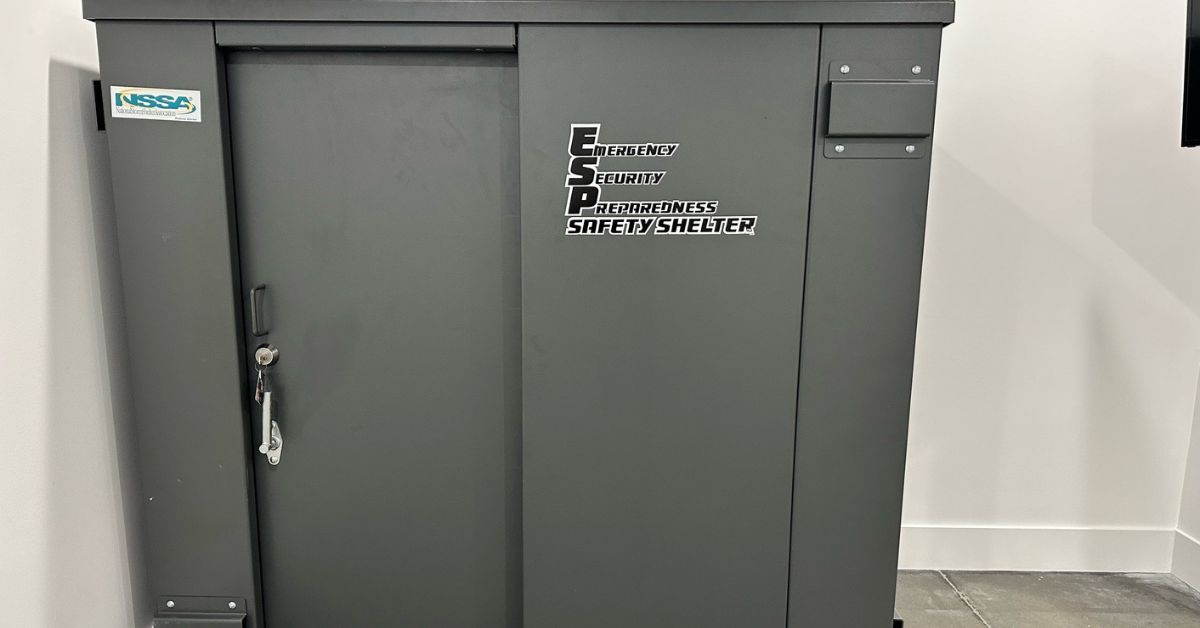
Aboveground storm shelters, also known as safe rooms, are built at ground level or within a building. These shelters offer the same level of protection as their underground counterparts, making them perfect for tornado protection. However, they’re also more accessible, making them ideal for individuals with mobility issues. Due to their versatility, they can be installed in garages, in basements, or as standalone units.
The construction of aboveground storm shelters usually includes reinforced steel, concrete, or a combination of both. This ensures the structures can withstand high wind speeds and impact from debris. While they might be more visible than underground shelters, their ease of access makes them ideal for many types of emergencies. Additionally, you can more easily customize them to blend seamlessly with the existing structure of your home or business.
Factors To Consider Before Choosing a Storm Shelter
To select the right storm shelter, carefully consider the following factors to ensure it meets your specific needs and circumstances.
Location
When it comes to protecting against high winds and flying debris, both aboveground and belowground shelters provide the protection you need. Aboveground shelters, however, come with the added benefit of being great for flood-prone areas. This is because they’re more suitable for avoiding water ingress.
You should also consider the proximity of the shelter to your main living or working areas. In an emergency, you need to get to the shelter quickly, so it should be easily accessible. For businesses, it’s essential to place the shelter in a location that allows all employees to reach it swiftly.
Size
The size of the storm shelter should be sufficient to accommodate all household members or employees comfortably. Consider the number of people who will need to use the shelter during an emergency. Also, ensure there is enough space for everyone to sit or even lie down if you might be in it for a while.
For homeowners, a smaller shelter might be adequate if it’s just for immediate family members. However, businesses with larger staff will likely need a more spacious shelter to ensure everyone can seek refuge safely.
Accessibility
Accessibility is a crucial consideration, especially for individuals with mobility issues or disabilities. Ensure the storm shelter has easy entry and exit points, with ramps or steps if necessary. For aboveground shelters, wide doors that can accommodate wheelchairs or walkers are essential.
Additionally, consider the ease of access during different weather conditions. The shelter should be located in an area that remains accessible even during heavy rain or snow to ensure everyone can make it safely.
Budget
The cost of storm shelters can vary significantly based on the type, size, and materials used. Underground shelters tend to be more expensive due to the excavation and installation process, while aboveground shelters and safe rooms can be more affordable and easier to install.
In the end, it’s always best to invest in a high-quality storm shelter that’ll provide invaluable peace of mind and safety for you and your loved ones.
Features To Look for in a Quality Storm Shelter
Certain storm shelter features can enhance their effectiveness and ensure they provide the highest level of protection. Look for the following qualities.
Durability
Durability should be the main feature of any storm shelter, as it must withstand the extreme forces of nature. Look for shelters made from high-quality, reinforced materials, such as steel or concrete. These materials offer excellent resistance to high winds, flying debris, and impacts.
You should also check for certifications or compliance with FEMA guidelines, which indicate that the shelter has been tested and meets stringent safety standards. A durable shelter will provide long-lasting protection and peace of mind.
Ventilation
Proper ventilation is essential to ensure a safe and comfortable environment inside the storm shelter. Adequate airflow prevents the buildup of heat and humidity, which can be especially important during prolonged use.
Look for shelters with built-in ventilation systems, such as vents or air exchange units. These features help maintain a breathable atmosphere and prevent the shelter from becoming stuffy or uncomfortable.
Easy Installation Process
The installation process of the storm shelter should be straightforward and efficient. Professional installation is usually recommended to ensure the shelter is securely anchored and meets all safety requirements. However, some are simple enough for anyone who’s skilled with a standard set of tools to put together.
For underground shelters, ensure that the installation includes proper waterproofing and drainage to prevent water ingress. Aboveground shelters should be firmly anchored to the foundation to withstand high winds and impacts.
Where To Get Your Storm Shelter
Now that you have this complete guide to choosing the right storm shelter, it’s time to find a place that sells them. Lucky for you, you’re already in the right place. Swisher storm shelters are some of the best aboveground options on the market. They offer everything mentioned here and more. Wherever you decide to install one of our shelters, it will be able to keep you and others safe, no matter what kind of storm is coming your way. If you’re ready to take the steps to ensure your family’s or workers’ safety, Swisher is here to help.