MADE IN THE USA SINCE



Above- vs. Below-Ground Tornado Shelters: 5 Key Differences
- Sales Rep Acct
- ESP Safety Shelter
- Feb 3, 2026
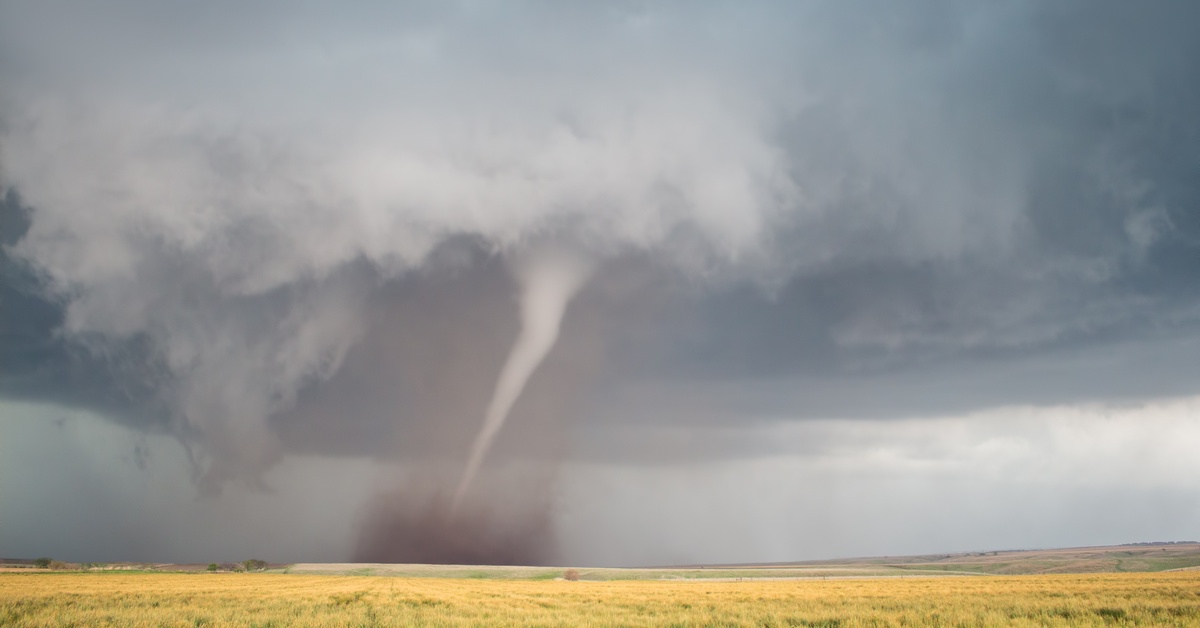
When severe weather threatens your area, having a reliable tornado shelter can mean the difference between life and death. That means homeowners face an important decision here: should they invest in an above-ground or below-ground shelter?
Each option offers distinct advantages and challenges that affect safety, budget, and usability. That’s why understanding the key differences between above- and below-ground tornado shelters is essential for helping you make an informed decision that best protects your family while fitting your specific circumstances and property requirements.
Installation Requirements
Above-ground storm shelters offer significantly simpler installation processes. You can place these units directly on a concrete slab or garage floor, requiring minimal site preparation. Users can complete most installations within a day without major disruption to the property.
Below-ground shelters demand much more complex installation procedures. Excavation work is required, which means heavy machinery, potential utility line concerns, and substantial ground disturbance. Weather conditions can delay installation, and you’ll need to consider drainage systems to prevent water accumulation.
Accessibility Considerations
Above-ground shelters excel in accessibility, particularly for family members with mobility limitations. Elderly individuals, those using wheelchairs, or people with physical disabilities can enter these shelters quickly during emergency situations. The ground-level access eliminates barriers that could prove dangerous when seconds count.
Below-ground options typically require descending stairs or ladders, creating potential obstacles during high-stress situations. Individuals with mobility challenges may struggle to access these shelters quickly, and carrying children or pets becomes more difficult when navigating stairs in a timely fashion.
Protection Level Comparison
The one thing that really sets below-ground storm shelters apart is their ability to provide superior protection from tornadoes and severe storms. Being buried beneath the surface shields occupants from wind-borne debris and reduces exposure to the storm’s most destructive forces.
However, that doesn’t mean above-ground shelters aren’t great options for quality storm protection. In fact, their engineering allows them to withstand extreme winds and impacts from flying debris, meeting all FEMA safety standards. Still, since they’re above ground, they remain more exposed to the storm’s direct forces compared to their underground counterparts. With proper positioning, though, you can set up an above-ground shelter in a place that protects it from these concerns.
Cost Analysis
Something else worth noting is that above-ground tornado shelters generally require lower initial investment. Installation costs remain minimal since excavation isn’t necessary, and the units themselves often cost less than below-ground alternatives. This makes them attractive for budget-conscious homeowners seeking reliable storm protection.
Below-ground shelters involve higher upfront expenses due to excavation requirements, specialized construction needs, and potential complications like rock removal or water management systems. These things typically require professional installation, causing costs to significantly exceed those of above-ground units.
Space and Multi-Purpose Usage
The final key difference between above- and below-ground shelters is that ones above the surface can serve dual purposes as safe rooms for home security or storage areas when not needed for storm protection. Their accessibility makes them a much more practical and affordable choice.
Below-ground shelters function primarily as storm protection, with limited opportunities for alternative uses due to their underground location and access challenges. While you can use them for storage, they’re not as well-constructed as actual basements, making them less suitable for certain storage items.