MADE IN THE USA SINCE



Best Practices for Maintaining Your Zero-Turn Mower
- Sales Rep Acct
- Swisher Products, Tips, and Advice
- Jan 7, 2026
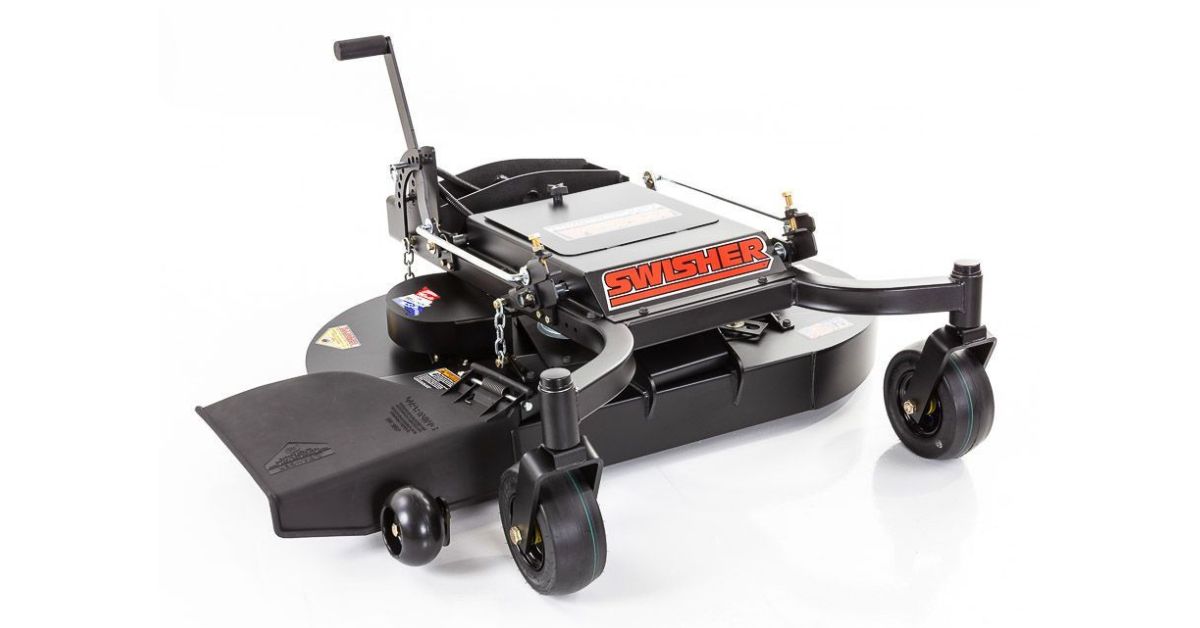
Owning a zero-turn mower transforms lawn care from a chore into a precise, efficient operation. However, these machines represent a significant financial investment, and their longevity relies entirely on how well they are maintained. To keep your zero-turn mower operating at peak efficiency, implement these essential maintenance practices.
Regular Cleaning and Inspection
Debris management is the first line of defense against corrosion and mechanical failure. Grass clippings can be acidic and hold moisture; if left to accumulate under the deck or around the engine, they can rust the steel deck shell and cause pulleys to seize. After every use, remove grass buildup and debris using compressed air or a leaf blower.
When the machine is clean, perform a visual inspection. Check the drive and deck belts for signs of fraying, cracking, or glazing. Ensure the tires have adequate tread and that there are no loose nuts or bolts on the frame, as vibration from operation can loosen them over time.
Blade Maintenance
The condition of your blades directly impacts the health of your turf and the stress placed on your engine. Dull blades tear the grass rather than slicing it cleanly, leaving ragged tips that turn brown and invite disease. This also creates significant resistance, forcing the engine and spindle bearings to work harder than necessary.
Inspect your blades regularly and sharpen them as needed. Just be sure to balance the blade after sharpening to prevent vibration, which can damage the cutter housing. If the blade is bent or cracked, replace it immediately to avoid catastrophic failure.
Oil and Filter Changes
The engine is the most important part of your zero-turn mower, so keeping it lubricated is an essential maintenance practice, especially for air-cooled engines running at high RPMs in hot weather. Just be sure to follow the manufacturer’s recommended oil-change intervals, and change the oil while the engine is warm to ensure that suspended contaminants drain out more effectively.
Don’t overlook the air and fuel filters during this process. A clogged air filter restricts oxygen flow, causing the engine to run rich and lose power. Replace air filters and pre-cleaners as needed, particularly in dusty conditions. You should change fuel filters annually to prevent debris from clogging the carburetor or fuel injectors.
Tire Pressure Checks
On a zero-turn mower, tire pressure does more than support the machine’s weight; it dictates the height of the cutting deck. If the pressure in one rear tire is lower than the other, the deck will tilt, resulting in an uneven, stepped cut across your lawn.
Check tire pressure periodically using a low-pressure gauge. Inflate all tires to the specific PSI listed on the tire sidewall or in your owner’s manual. While checking pressure, inspect the sidewalls for dry rot or punctures that could lead to a slow leak.
Battery Care
Electrical issues are a common frustration for equipment owners, but they are often preventable. That’s why you should regularly inspect the battery terminals for white or green corrosive buildup.
Carefully clean the terminals with a wire brush and a mixture of baking soda and water if corrosion is present, and ensure all connections are tight. During the off-season, remove the battery and store it in a cool, dry place connected to a trickle charger or battery maintainer to preserve cell health.