MADE IN THE USA SINCE



Best Practices for Mowing and Maintaining Retention Ponds
- Sales Rep Acct
- Swisher Products, Tips, and Advice
- Apr 21, 2026
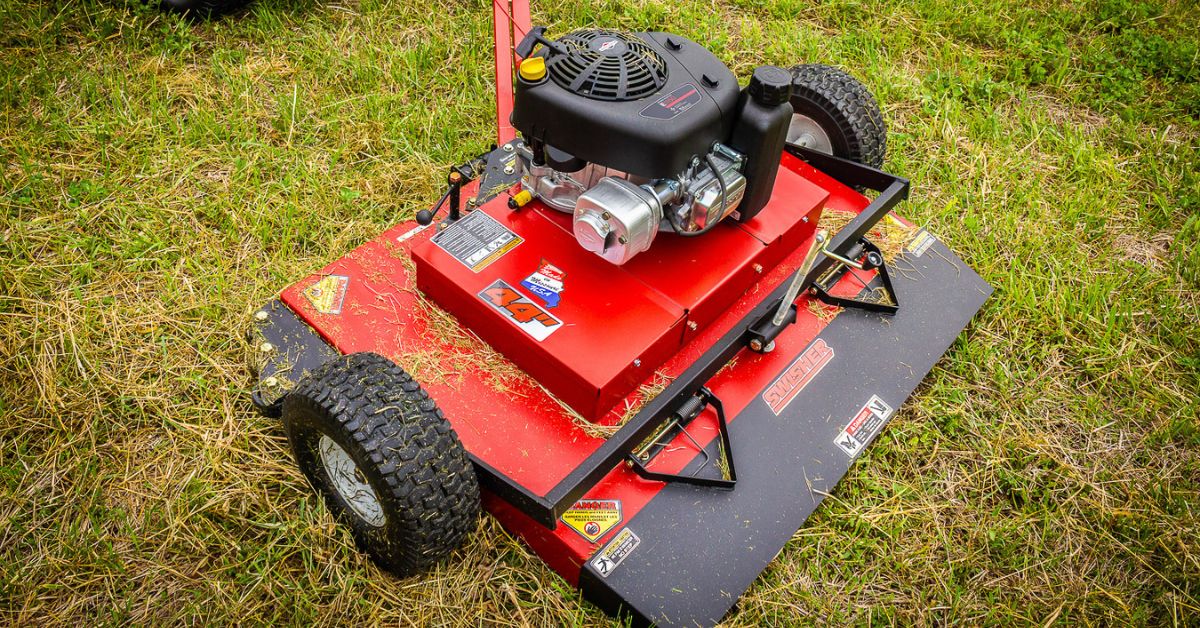
Retention ponds rarely stay neat on their own. If you’re not careful, grass will push up fast around the banks, moisture will change how the ground feels underfoot, and neglected growth will make the whole area look rough in a short time. That’s why mowing and maintaining retention ponds is essential. Here are some practices that take a different approach and deliver desirable results.
Start With the Slope, Not the Grass
Before you mow, pay attention to the shape and condition of the pond’s edges. A retention pond may look manageable from a distance, but soft soil and uneven slopes can quickly turn a fairly standard job into a risky one. When you understand the terrain first, you can choose a safer path and avoid putting equipment where traction drops off.
Wet areas like this deserve extra caution, even when the surface seems dry. Tires can sink without much warning near the waterline, especially after recent rain. A careful first pass lets you spot trouble areas before you commit to a full mowing session.
Mow on a Consistent Schedule
Retention ponds remain easier to manage as long as you cut growth before it gets thick and tangled. Waiting too long makes mowing harder on both the operator and the equipment, leaving behind a rougher finish that needs more cleanup. A steady schedule keeps the area more controlled and helps prevent woody growth from taking over.
It also improves visibility around the pond. When grass and brush stay at a workable height, you can better monitor drainage flow, spot erosion, and catch changes in the bank before they become expensive problems.
Use Equipment That Matches the Job
A retention pond calls for equipment that can handle uneven ground without sacrificing control. In many cases, grooming mowers work well for maintaining a cleaner appearance on less aggressive growth, especially on areas that receive frequent upkeep. For heavier vegetation or rougher sections, you may need a machine built for tougher cutting conditions.
Using the wrong equipment can slow down the job and leave you with inconsistent results. It can also increase wear when the machine struggles through terrain it wasn’t meant to handle. Matching the mower to the site makes the work more efficient and helps protect the pond’s appearance.
Watch for Maintenance Problems Between Cuts
Good retention pond maintenance practices don’t stop with mowing. You need to take proper care of everything in these areas. Keep an eye on ruts, washouts, and spots where water no longer moves the way it should. Those issues often show up gradually, and regular checks will make them easier to identify and address early.
You should also clear problem growth before it spreads across the banks. Small patches of overgrowth are easier to manage than a pond edge you’ve ignored for weeks. A little attention between mowing sessions is the ideal way to keep the site safer and easier to maintain.