MADE IN THE USA SINCE



Brush Hog vs. Flail Mower: Which Should You Choose?
- Sales Rep Acct
- Swisher Products, Tips, and Advice
- Apr 1, 2025
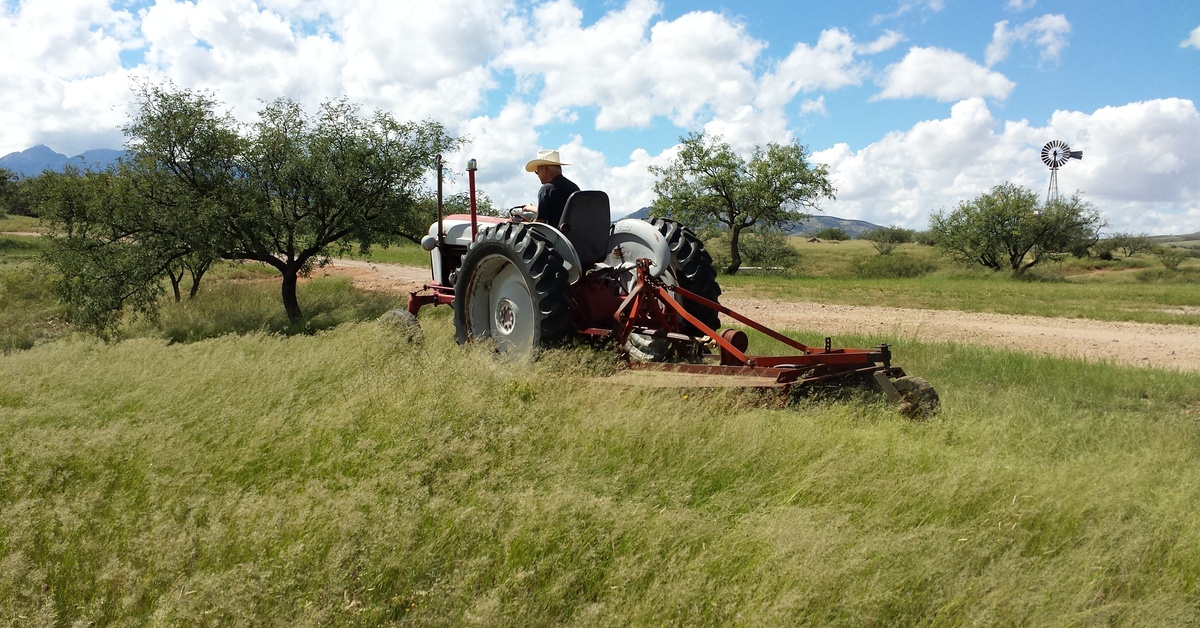
Maintaining your property can be a challenging task, especially when dealing with overgrown fields, brush, or uneven terrain. Two of the most common tools for tackling these jobs are brush hogs and flail mowers, each designed for specific needs. But which one is right for you? Below, we’ll explore what each piece of equipment offers and how they compare.
Brush Hog Overview
A brush hog, often referred to as a rotary cutter, is a heavy-duty mowing attachment designed for tractors. It’s purpose-built for clearing thick grass, overgrown weeds, small saplings, and dense brush, making it perfect for land clearing. Using a rotary blade system, the brush hog excels at cutting through tough vegetation with minimal effort. On top of that, its durable design allows it to tackle challenging terrains like rocky fields and uneven ground, which are common in farming or rural environments.
One significant advantage of brush hogs is their ability to clear large areas quickly. They are highly efficient, covering more ground in less time than many alternatives. Additionally, their simplicity makes them relatively easy to maintain.
It’s important to note that these mowers might not suit landowners looking for a more polished finish to their fields, but this isn’t an issue if aesthetics aren’t a top priority. Also, the rotary blades are known to sling debris if the operator isn’t careful, so proper protective equipment and experience are essential when operating one.
Flail Mower Overview
A flail mower, on the other hand, is a notable choice for landowners who prioritize a clean cut. It uses rows of small, individually mounted blades (or “flails”) attached to a rotating drum. These flails are designed to strike vegetation repeatedly, shredding and mulching it into finer pieces. Flail mowers are ideal for maintaining lawns, parks, and areas where appearance matters, as they leave a neat, well-manicured finish.
While flail mowers handle thick weeds and moderate growth, they’re less effective at clearing dense brush or larger saplings than brush hogs. They are also somewhat limited on rough or rocky terrain, where their smaller blades can be more susceptible to damage. Additionally, flail mowers generally require more maintenance and care for blade replacements due to their complex design.
On the positive side, flail mowers are a bit safer than brush hogs. The enclosed structure minimizes the risk of debris being thrown during operation, a vital consideration in areas near buildings, vehicles, or people.
Which Should You Get?
Now that you know the differences between brush hogs and flail mowers, choosing between the two boils down to what you intend to accomplish. While they both have pros and cons, the brush hog is often the ideal choice for many property managers, farmers, and rural landowners. It strikes a balance between power, efficiency, and durability, making it perfect for tackling challenging maintenance tasks.
If this sounds like the right pick, Swisher’s tow-behind brush hog mower is the machine for you. We have a variety to choose from, so you’re sure to find the right one for your needs.