MADE IN THE USA SINCE



Commercial Mowing Tips: Handling Complex Properties
- Sales Rep Acct
- Swisher Products, Tips, and Advice
- Aug 10, 2022
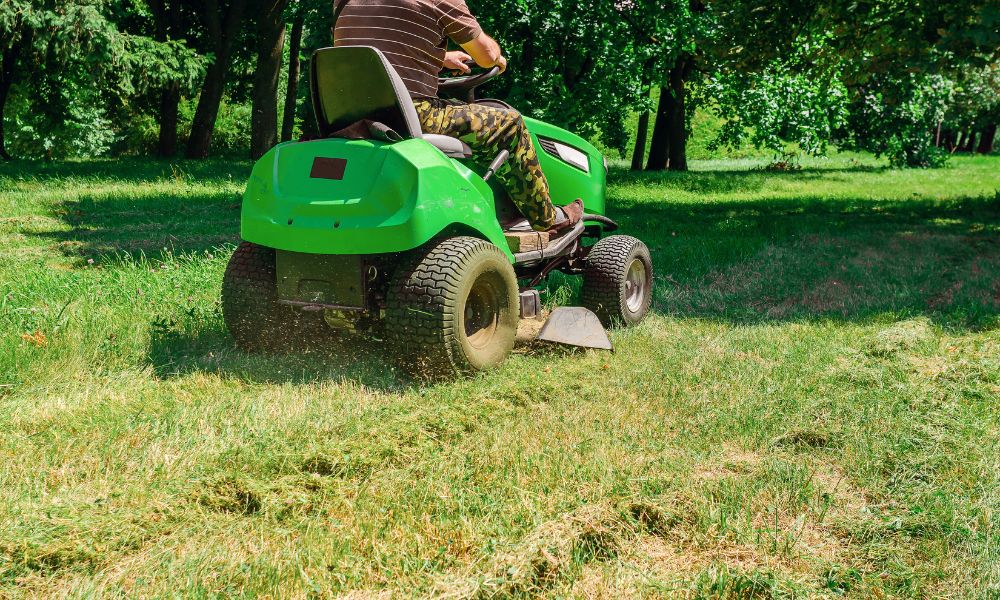
Running and operating a commercial yard–care business is financially and personally rewarding—but not without its difficulties. You’ll encounter many clients with large, sprawling plots of land filled with various challenges and obstacles. Preparing for and adapting to these factors can boost your performance and reputation overall. For your convenience, here are some professional commercial mowing tips for handling complex properties.
Mowing Around Obstacles
One common aspect that contributes to the complexity of certain properties is the presence of obstacles. These obstructions come in many forms, including outdoor furniture, flower beds, structures such as barns and sheds, larger trees, rocks, and bodies of water. Specialty projects such as sports fields also feature unique obstacles such as dirt layouts and dugout structures. Basically, these jobs are full of challenges, and as such, understanding the proper way to mow without disturbing these obstacles or producing a subpar result is essential.
Plants, Trees, and Vegetation
Trees, flowers, flower beds, gardens, and other foliage are some of the most common obstructions found on almost every property. Luckily, these objects are fairly easy to mow around if you follow a few key tips. First, identify the obstacles before starting the job—this will leave you better prepared ahead of time and allow you to mow with a full picture of the scope of work. Next, remove any loose debris—such as leaves, mulch, and sticks—under or nearby the impediments.
Once the areas are tidy, you’re ready to start mowing. Accuracy is key here, since you can’t simply mow in a straight line. Instead, leave a buffer zone (three to five feet) from tree trunks or roots and a slightly smaller buffer zone (two to three feet) from flower beds. Mow with care, ensuring your blades never touch any roots or mulch. You can always go over the spot a few times to ensure better coverage. Once you’ve attended to these areas, go back later and use a trimmer to clean up any missed sections of grass. You might need to use hand trimmers for the best results.
Furniture and Structures
Furniture is fairly simple to handle, as most of these items are easily movable. You can simply remove all furniture before starting to ensure you don’t miss any sections of grass. If the object is too large or heavy, we once again recommend leaving a small buffer zone. Return to the spot with a trimmer to finish the job.
Damaging furniture is an easy way to lose money and tank your business’s reputation, so pay attention, and always work slowly and steadily. As for mowing around structures such as sheds and barns, you can typically get your mower close to the building without disrupting it or causing damage. Just ensure your line pattern remains consistent by accounting for any abnormal lines or angles.
Mowing Over Slopes
Mowing on slopes—especially very steep inclines—can be challenging. Any professional mower knows that even surfaces provide the best results, so how do you maintain performance in light of elevation differences? There are two methods to consider here, although one is more effective for commercial applications. The first is to use a walk-behind mower: roll one direction uphill, shut down the mower, return to the base of the slope, and repeat. As you can see, this is time- and labor-consuming.
The better option for larger projects is to mow in diagonal lines across the length of the hill or slope. This provides you with additional surface coverage and prevents slipping. As always, return to this area afterward to trim any missed patches of grass.
Something to be aware of when you’re mowing on inclines is the presence of hidden rocks and divots—scout out these areas ahead of time to ensure you don’t damage your device or cause harm to yourself, the property, or others.
Tackling Large Spaces
Completing jobs quickly and effectively is a sign of a solid mowing business. Sometimes, however, the sheer size of certain properties can hinder your ability to perform fast turnarounds. If you find yourself spending excessive time laboring over large plots of land, here are a few professional tips to expedite the process.
Remember all of the obstacles listed above? We recommend tackling those first, especially trees, flower beds, and structures (you can save slopes for later in the job). Getting this work out of the way beforehand allows you to focus on the much more taxing task of mowing massive properties. Next, try to mow in the longest passes possible, either in straight or horizontal lines. This method is simply the quickest and most effective way to cover significant amounts of ground.
However, you can mow some sections of grass in circular patterns, too, and this technique is far faster than mowing in straight lines. This is because you’ll be making fewer turns overall, reducing the amount of downtime during the process. If possible, cut the grass when it’s dry—wet grass is thicker, and it usually clumps together, leaving you with more debris to clean up after the job. Wait a few hours after rainfall to ensure the grass is ready for cutting. You’ll find that mowing dry grass can save you 10 to 25 percent more time overall!
Preferred Equipment
The easiest way to boost the efficiency and effectiveness of your mowing business is to invest in quality, professional equipment. Having a top-of-the-line field mower designed for commercial, large-scale applications will make your life easier, and you’ll work lighting-fast. For instance, our mowers are specifically manufactured to produce excellent results when operated properly. Choose between a varied selection of machines—including walk-behind, rough-cut, zero-turn, and finish-cut mowers—to ensure your work leaves your customers satisfied every single time.
Use these commercial mowing tips to ensure you can easily handle complex properties, no matter the client. As always, you can find all the right equipment for your specifications here at Swisher. If you’re not sure which device is right for your needs, contact us today, and we can assist you with the purchase.
