MADE IN THE USA SINCE



Gas vs. Electric Mower: Which Should You Choose?
- Sales Rep Acct
- Swisher Products, Tips, and Advice
- Aug 6, 2025
Choosing the right mower can make the difference between enjoying your yard work and dreading it every weekend. With gas and electric mowers both offering distinct advantages, the decision often comes down to understanding your specific needs and priorities. Gas mowers have long dominated the market with their raw power and reliability, while electric models are gaining ground thanks to their convenience and environmental benefits.
Whether you’re maintaining a small suburban lawn or tackling larger projects, understanding each option’s pros and cons will help you make an informed decision. So, read on to determine whether you should choose a gas or electric mower.
Gas Mowers: Power and Performance
Gas mowers are popular for their robust power and ability to handle tough mowing tasks. This section will explore their key features, advantages, and considerations to help you determine if a gas mower is the right fit for your needs.
Pros of Gas-Powered Mowers
Power stands as the most significant advantage of gas mowers. These machines deliver consistent, high-torque performance that can handle thick grass, weeds, and challenging terrain without getting bogged down. The internal combustion engine provides steady power output regardless of how long you’ve been mowing, making these machines ideal for extended cutting sessions.
Large yard owners particularly benefit from gas mowers’ capabilities. If you’re managing acreage, cutting trails, or maintaining fields, gas mowers offer the endurance and cutting capacity needed for substantial projects. They can handle tall grass, dense vegetation, and uneven terrain that might overwhelm electric alternatives.
Durability represents another compelling advantage. Well-maintained gas mowers often last decades, with many models capable of running for thousands of hours. Their robust construction and proven technology enable them to withstand heavy use and challenging conditions reliably.
Cons of Gas-Powered Mowers
Something worth noting is that gas mowers require a bit more maintenance to keep them up and running. Regular oil changes, air filter replacements, spark plug maintenance, and seasonal tune-ups are all necessary steps to keep these machines in peak condition. Ongoing maintenance adds to the total cost of ownership and requires either mechanical knowledge or professional service.
Noise and emissions present concerns for some users. Gas mowers produce substantial noise levels that can disturb neighbors and might even require hearing protection during extended use. They also generate emissions that contribute to air pollution, making them less environmentally friendly than electric alternatives.
On top of that, fuel costs add ongoing expenses that fluctuate with gas prices. You’ll also need to store gasoline safely and handle fuel-related issues such as stale gas or carburetor problems, which can create additional headaches for users.
Electric Mowers: Convenience and Efficiency
Although not as popular, electric mowers have become more prevalent in recent years. This is due in part to the fact that they offer a cleaner, quieter, and more efficient alternative to traditional gas-powered mowers, but there’s a bit more to it than that.
Pros of Electric Mowers
Environmental friendliness tops the list of electric mower benefits. These machines produce zero direct emissions and operate more quietly than gas models. The reduced noise pollution makes them suitable for use in noise-sensitive areas and allows for mowing at times when gas mowers would be inappropriate.
Maintenance requirements are minimal with electric mowers. There’s no oil to change, no spark plug to replace, and no fuel system to maintain. Basic blade sharpening and cleaning represent the primary maintenance tasks, significantly reducing the time and cost associated with keeping your mower operational.
Starting and operating electric mowers couldn’t be simpler. Push-button or pull-cord starts work reliably every time, eliminating the frustration of pull-starting a reluctant gas engine. The consistent power delivery and lightweight design make these mowers easy to maneuver and control.
Cons of Electric Mowers
There are some notable downsides to electric mowers. Most prominently, they have battery life limitations. Most battery-powered mowers provide 30 to 60 minutes of runtime, which may not be sufficient for larger properties. While battery technology continues improving, extended cutting sessions often require multiple batteries or charging breaks.
Power output generally falls short of gas mowers, too, particularly when dealing with thick, tall, or wet grass. Electric motors may struggle with demanding conditions that gas engines handle easily, potentially requiring multiple passes or more frequent mowing to maintain acceptable results.
If these are significant concerns for you, you can buy a corded version, but these present their own set of challenges. Corded electric mowers offer unlimited runtime and potentially increased power but restrict mobility. Plus, they pose safety concerns as you must watch out for the power cord while operating it.
Factors To Consider Before Purchase
When deciding between a gas or electric mower, it is essential to evaluate several key factors to ensure it meets your needs. Considering each of these elements beforehand can help you make a more informed decision so you can achieve efficient, effective lawn care.
Yard Size and Terrain
Your property’s characteristics should be primary considerations when selecting a mower. Small to medium-sized yards with relatively flat terrain are well-suited to electric mowers. Larger properties, steep slopes, or rough terrain, on the other hand, typically require the extra power and durability of gas models, though they work great for small areas, too.
Consider not just your current needs but your potential future requirements. If you might expand your property or take on larger cutting projects, investing in a more capable gas mower could prove wise.
Types of Mowers Available
It’s also important to recognize that a standard walk-behind mower might not be good enough for the job. For example, if you have a larger yard, you may need to consider different types. This could affect your decision to go with gas or electric.
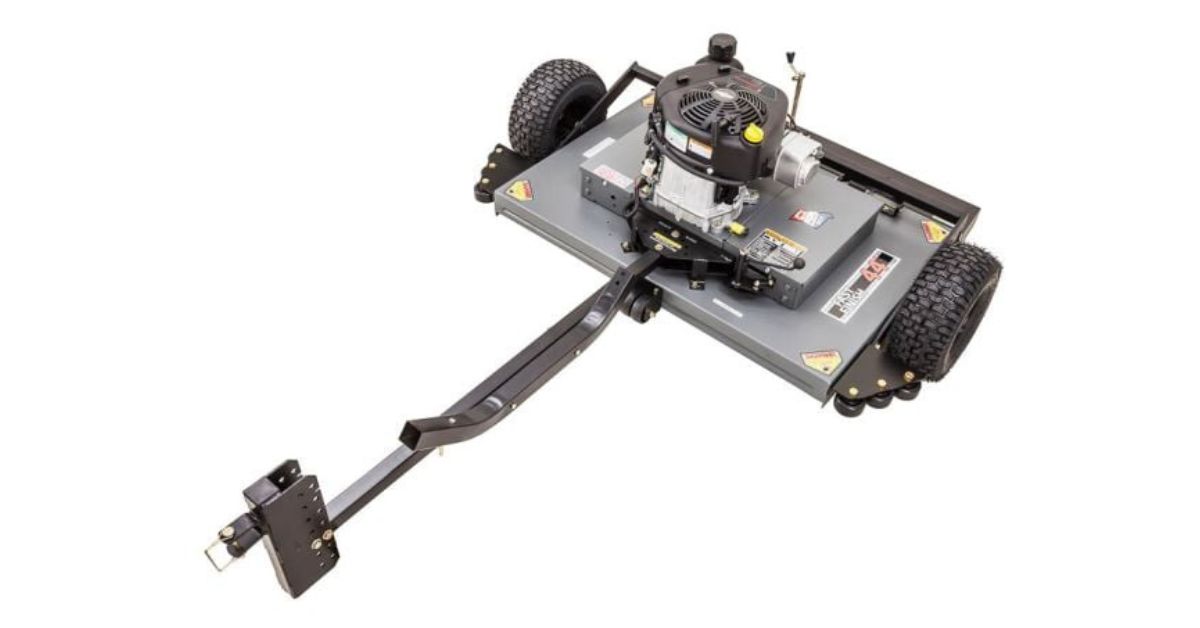
This is because gas mowers range from small push mowers to large tractor-pulled models. Perhaps you’re looking for something in between, such as a pull-behind trail mower. No matter what it is, gas can provide it. As for electric, though, your options are mostly limited to walk-behind and riding models.
Budget and Long-Term Costs
The initial purchase price represents just one component of total ownership costs. Electric mowers often cost less upfront and have lower ongoing operational costs. Meanwhile, gas mowers may require a higher initial investment but offer longer service life and better resale value.
Factor in fuel costs, maintenance expenses, and potential battery replacement costs when calculating long-term expenses. Maintenance for gas mowers can add 100 to 200 dollars annually, while electric mower maintenance costs are minimal.
Maintenance Capabilities
Honestly assess your mechanical skills and willingness to perform routine maintenance. Gas mowers require regular attention and occasional troubleshooting, while electric models need minimal upkeep. If you prefer minimal maintenance or lack mechanical experience, electric mowers offer clear advantages.
Consider local service availability for repairs and maintenance. Gas mower service is widely available, while electric mower service may be more limited in some areas.
