MADE IN THE USA SINCE



Helpful Tips for Mowing on Rough Terrain
- Sales Rep Acct
- Swisher Products, Tips, and Advice
- Aug 4, 2025
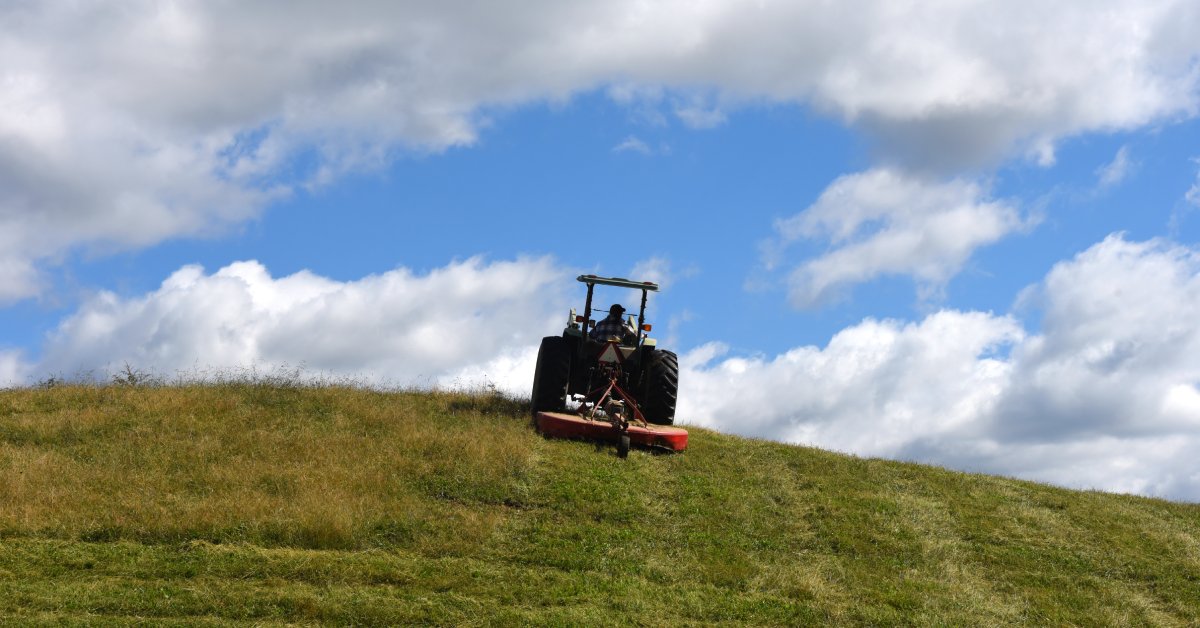
While mowing is typically quite straightforward, mowing through rough terrain presents unique challenges that necessitate careful planning and a suitable approach. Whether you’re dealing with slopes, rocky areas, or uneven ground, you need to approach these areas in the right way. With the help of these expert tips, you’ll be able to achieve a clean cut while mowing on rougher terrain.
Assessing the Terrain
Before starting your mower, conduct a thorough walkthrough of the area. Look for hidden obstacles such as rocks, tree roots, or holes that could damage your equipment or create safety hazards. Pay special attention to slope angles—anything steeper than 15 degrees requires extra caution and potentially specialized equipment.
If working with a larger yard or field, you can mark problematic areas with flags or stakes so you can navigate around them more easily. This preliminary assessment saves time and prevents costly repairs later.
Selecting the Right Equipment
Standard residential mowers aren’t designed for challenging terrain. For rough landscapes, consider these equipment options:
- Rotary mowers: These work well on moderately uneven ground, as their robust construction handles minor bumps and debris better than reel mowers. The spinning blade design cuts through thicker grass and small twigs effectively.
- Brush mowers: These are ideal for extremely rough terrain with heavy vegetation. They’re powerful enough to handle saplings, thick weeds, and uneven surfaces that would overwhelm conventional mowers.
- Self-propelled walk-behind mowers: These offer better control on slopes compared to riding mowers, reducing the risk of rollovers on steep inclines.
Preparing the Mower
Proper preparation of your mower of choice ensures optimal performance and longevity of your equipment. Start with blade maintenance—sharp blades cut cleanly through tough grass, reducing strain on the engine. Dull blades tear grass, creating ragged edges that invite disease.
Adjust your deck height to the highest setting initially. This prevents scalping on uneven surfaces and reduces the chance of striking hidden obstacles. You can make multiple passes at progressively lower heights if needed. And don’t forget to perform essential safety checks, such as ensuring all guards are secure, checking tire pressure for stability, and verifying that the engine oil and fuel levels are adequate for extended operation.
Mowing Techniques
The last thing you can do to improve your rough terrain mowing efficiency is to adopt a systematic approach when tackling these tougher yards and fields. Mow across slopes rather than up and down to maintain better traction and prevent sliding. Also, be sure to keep your speed slow and steady—rushing leads to poor cuts and potential accidents.
Use overlapping passes to ensure complete coverage, as uneven ground can create missed spots. When encountering obstacles, shut off the blade engagement before maneuvering around them. For particularly challenging areas, consider making multiple passes at different angles. This cross-cutting technique helps achieve a more uniform appearance on bumpy surfaces.
Where To Get Your Rough Terrain Mower
If you don’t have a mower that’ll make it through the rougher terrain of your yard or field, then Swisher is here to help. Our pull-behind rough-cut mowers are the ideal option to ensure your grass gets trimmed down to size, no matter how troublesome it is. Take the time to see what we have in stock.