MADE IN THE USA SINCE



How Storm Shelters Improve Emergency Preparedness
- Sales Rep Acct
- ESP Safety Shelter
- May 20, 2026
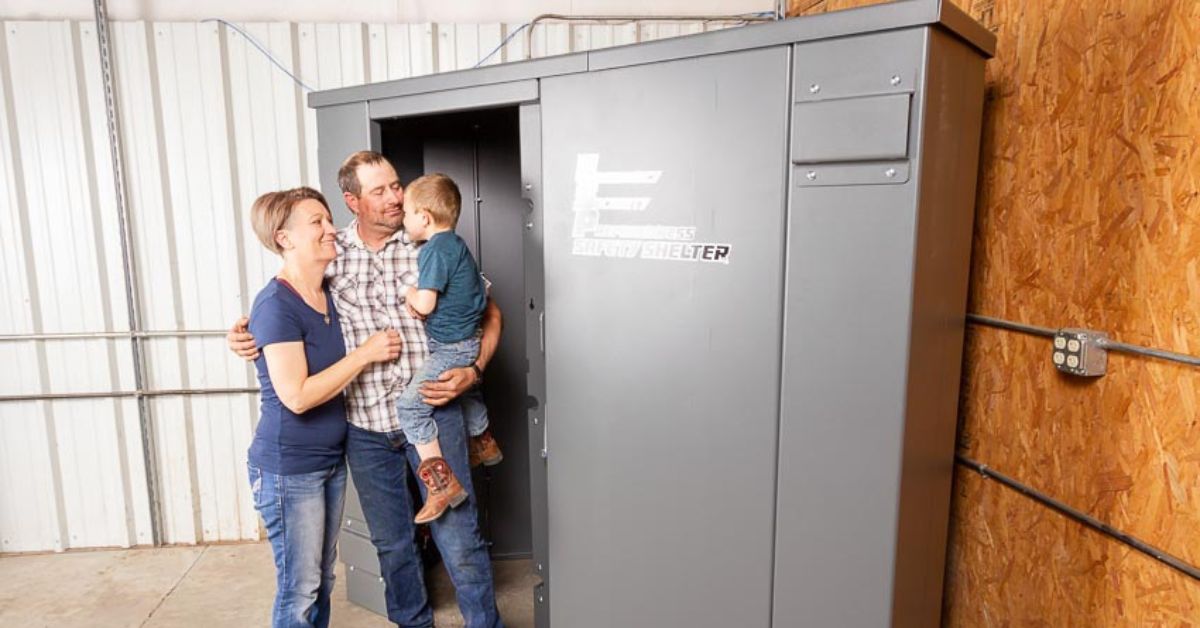
Severe weather doesn’t always give people much time to react. When tornado warnings are issued, families need more than a general plan or a good guess about where to go. A storm shelter gives that plan a clear destination, which can make emergency response much faster and less stressful.
Preparedness works best when people know what to do before the potential disaster arrives. Storm shelters support this in a variety of ways, which is why we’re here to discover how these structures improve emergency preparedness.
They Give Your Emergency Plan a Fixed Safe Place
Many households assume they know where they’ll go during severe weather, but those plans can fall apart when panic sets in. A storm shelter removes uncertainty because everyone knows the safest spot in advance.
This is especially important during fast-moving storms. Instead of checking rooms or debating which area offers the most protection, people can move directly to the shelter. Just make sure there’s a clear path to the shelter at all times.
They Help Families Act Faster
In most cases, emergency preparedness depends on quick action. If a warning comes through at night or while people are distracted, confusion can slow the response. A storm shelter gives the household a more familiar routine, which helps immensely when preparing for an emergency.
Families can practice moving to the shelter just like they’d practice a fire drill. Children learn where to go, adults know what to grab, and everyone gets used to the process. When the real warning comes, the response feels less chaotic.
They Make Supplies Easier to Organize
A storm shelter can also serve as a practical place to store emergency supplies. People often keep flashlights, shoes, bottled water, basic first aid items, or phone chargers in these structures so they don’t have to search the house during an emergency.
This setup improves readiness because the essentials will be close by when needed. A quality steel tornado shelter can provide a dedicated space where those items remain easy to access when conditions change quickly.
They Reduce Dependence on Last-Minute Decisions
During severe weather, last-minute choices can create unnecessary risk. People may wait too long, underestimate a warning, or move to a less secure part of the home because it’s more convenient.
A storm shelter encourages earlier action. When the safe place already exists, people don’t have to judge every detail of the storm before deciding what to do. They can respond to the warning and get protected sooner.
They Support Long-Term Readiness
Emergency preparedness isn’t only about the next upcoming storm. It’s about building habits that hold up over time. The right storm shelter can become part of a household’s regular safety routine, especially in areas where severe weather happens often.
Homeowners can check supplies, review access, and make sure every family member understands the plan. That steady preparation makes storm response feel more manageable when a warning arrives.