MADE IN THE USA SINCE



How To Prevent Overgrowth Damage on Your Property
- Sales Rep Acct
- Swisher Products, Tips, and Advice
- Apr 1, 2026
Overgrowth has a way of sneaking up on people. One season, your fence line looks a little messy. The next, brush is pushing into trails, weeds are crowding drainage areas, and vines are climbing where they have no business being. While it doesn’t always look serious at first, if unchecked, growth can create real maintenance problems across a property. This is especially true on larger properties where neglected areas don’t always stand out right away.
If you’re not careful, this kind of vegetation can start affecting how the property looks, functions, and holds up season after season. Taking steps to manage that growth early makes it easier to avoid bigger maintenance problems later. So here’s our guide to help you prevent overgrowth damage on your property.
Learn Where Overgrowth Causes the Most Trouble
Due to the nature of overgrowth, some areas will be more vulnerable than others. Fence lines, field edges, trails, ditches, driveways, and the space around sheds or other outbuildings tend to collect fast-growing vegetation first. These areas are easy to ignore when the rest of the property looks fine, but they often become the starting point for larger problems.
When grass, brush, saplings, and vines build up, they can trap moisture, hide debris, and make it harder to spot hazards. Thick growth can also limit visibility around paths and property edges. Once that happens, routine upkeep gets harder because you are no longer dealing with a light cleanup job. You are dealing with dense material that takes more time, more effort, and usually more equipment.
It also helps to think beyond what is immediately visible. Overgrowth near drainage areas can interfere with water flow. Growth along buildings or fences can put stress on those surfaces over time. What starts as a patch of neglected brush can gradually affect how well the property functions.
Stay Ahead With a Regular Cutting Schedule
The easiest way to prevent overgrowth damage on our property is to keep growth from getting established in the first place. That sounds obvious, which is irritating, but that doesn’t make it any less true. A regular cutting schedule is usually much easier to manage than waiting until vegetation has become thick and woody, spreading across multiple areas.
That does not mean every section of a property needs constant attention. Different areas grow at different rates depending on weather, sunlight, and use. Open ground may need seasonal cutting, while fence lines, trails, and shaded edges may need closer monitoring because they can fill in faster than expected.
The main goal is consistency. When property owners wait until an area looks completely overgrown, the job often becomes more difficult than it needed to be. Routine maintenance helps keep growth lighter, making future passes more manageable and reducing the risk of damage spreading to surrounding areas.
Pay Attention to Property Edges and Hard-to-Reach Spots
Edges are where a lot of trouble begins. The space along a fence line, the side of a gravel drive, the area behind a building, or the outer edge of a field can look minor compared to larger open sections of land. Still, these are often the places where overgrowth gains a foothold.
If you ignore those edges, vegetation starts to move inward. Brush can creep into access paths. Tall growth can narrow usable space near buildings or property lines. Vines and saplings can turn a simple cleanup area into a more involved project before anyone notices.
Hard-to-reach areas are also more likely to hide rocks, fallen limbs, old wire, or other obstacles. That creates an additional problem during maintenance because overgrowth is no longer the only issue. Property owners may also have to work around hidden debris that has been buried by vegetation.
Keeping edges under control makes the rest of the property easier to manage. It also helps preserve visibility and access, both of which matter whether the land is used for work, recreation, or general upkeep.
Use the Right Equipment for Thick Growth
Not all overgrowth can be handled the same way. Light grass and scattered weeds are one thing. Dense brush, tall growth, and rough sections of land are another. Using equipment that is too light for the job can waste time and make the work more frustrating than it needs to be.
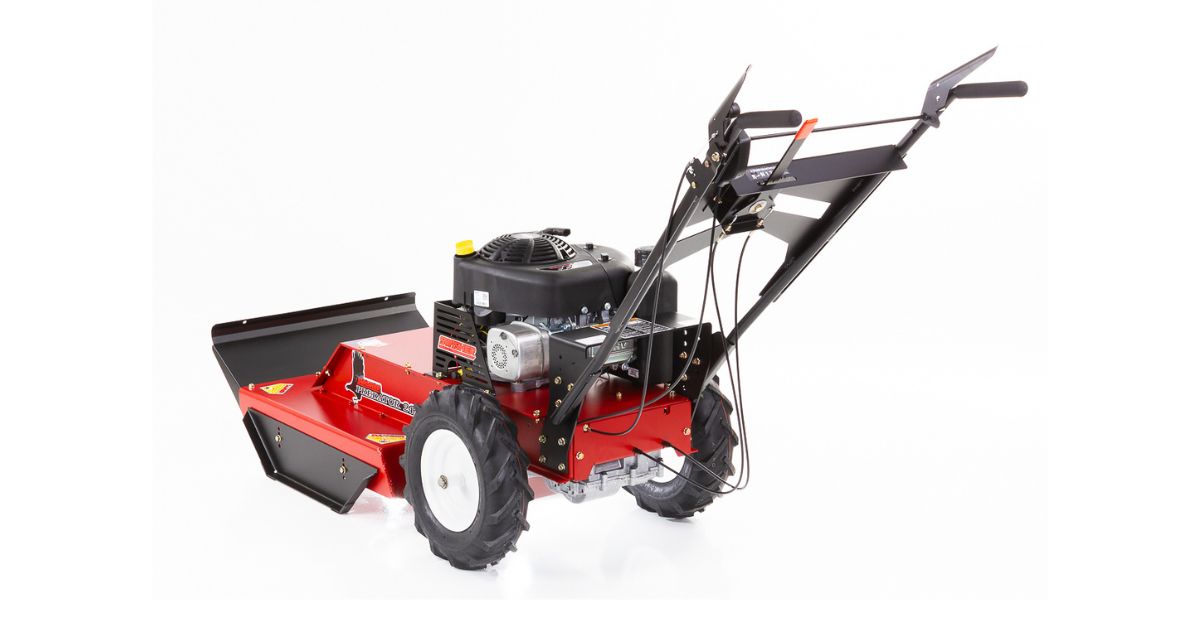
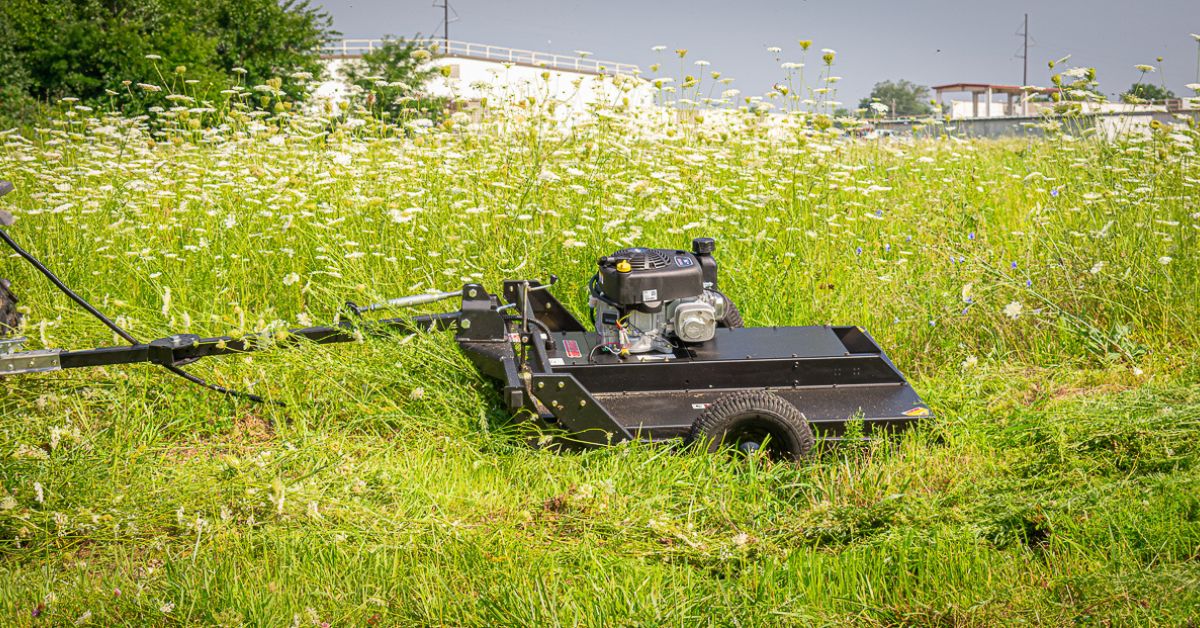
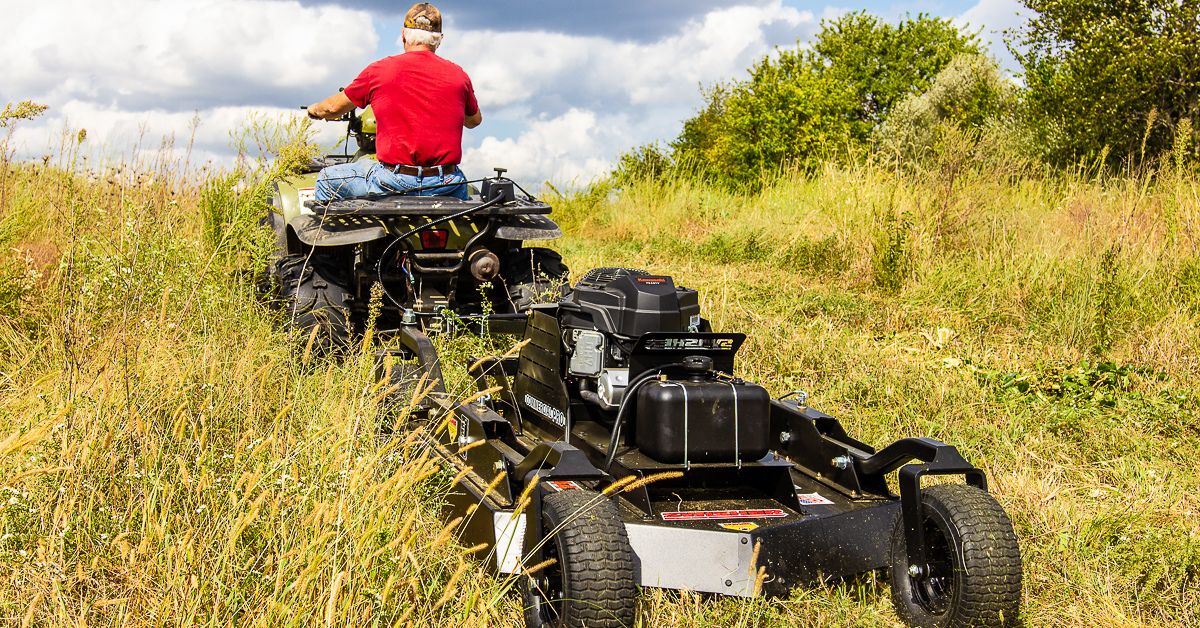
The better approach is to think about the type of vegetation, the terrain, and the size of the area before starting. A standard lawn mower might work for a relatively open section of your yard, while uneven ground or heavy brush may call for a tailored walk-behind rough-cut mower. Matching the equipment to the job can make cutting more efficient and help produce a cleaner result.
This also matters from a maintenance standpoint. Equipment pushed beyond its limits constantly may wear down faster or struggle in thick growth. Using the correct tool for the job helps property owners work more effectively while keeping recurring overgrowth from becoming a larger seasonal burden.
Inspect Problem Areas Before They Get Worse
Regular inspections can save a lot of trouble later. A quick walk around the property can reveal the early signs of a problem before it becomes a major cleanup project. That might include new saplings along a fence line, vines starting to wrap around posts, or brush building up near drainage areas.
These checks don’t have to be complicated. The point is simply to notice changes early. When a property owner catches growth before it thickens, the fix is usually faster and easier. It is much simpler to clear an area when vegetation is still manageable than when it has had months to spread.
Inspections are also useful for identifying hidden obstacles. Overgrowth often covers branches, rocks, discarded materials, or uneven ground. Spotting those issues ahead of time can make maintenance safer and help prevent extra wear on equipment.
Fix Existing Damage Before It Spreads
While total prevention is important, many properties likely already have some damage caused by overgrowth. In those cases, cutting the vegetation back is only the first step. After clearing the area, it’s important to look closely at what has been affected.
Fence lines may have leaning posts or damaged wire where brush and vines have built up. Trails and access routes may be narrowed, washed out, or blocked by long-neglected growth. Drainage areas may need to be cleared and reshaped if vegetation has slowed the normal flow of water. Even buildings and outbuildings can show signs of trouble if growth has been holding moisture too close to the structure.
The key is to treat cleanup and repair as part of the same job. Clearing overgrowth without fixing the damage it caused leaves the property vulnerable to repeat problems. Restoring access, repairing weak points, and addressing trouble spots after clearing the area gives property owners a better chance of keeping things under control moving forward.