MADE IN THE USA SINCE



How to Winterize Your Zero-Turn Lawn Mower
- Sales Rep Acct
- Swisher Products, Tips, and Advice
- Nov 11, 2025
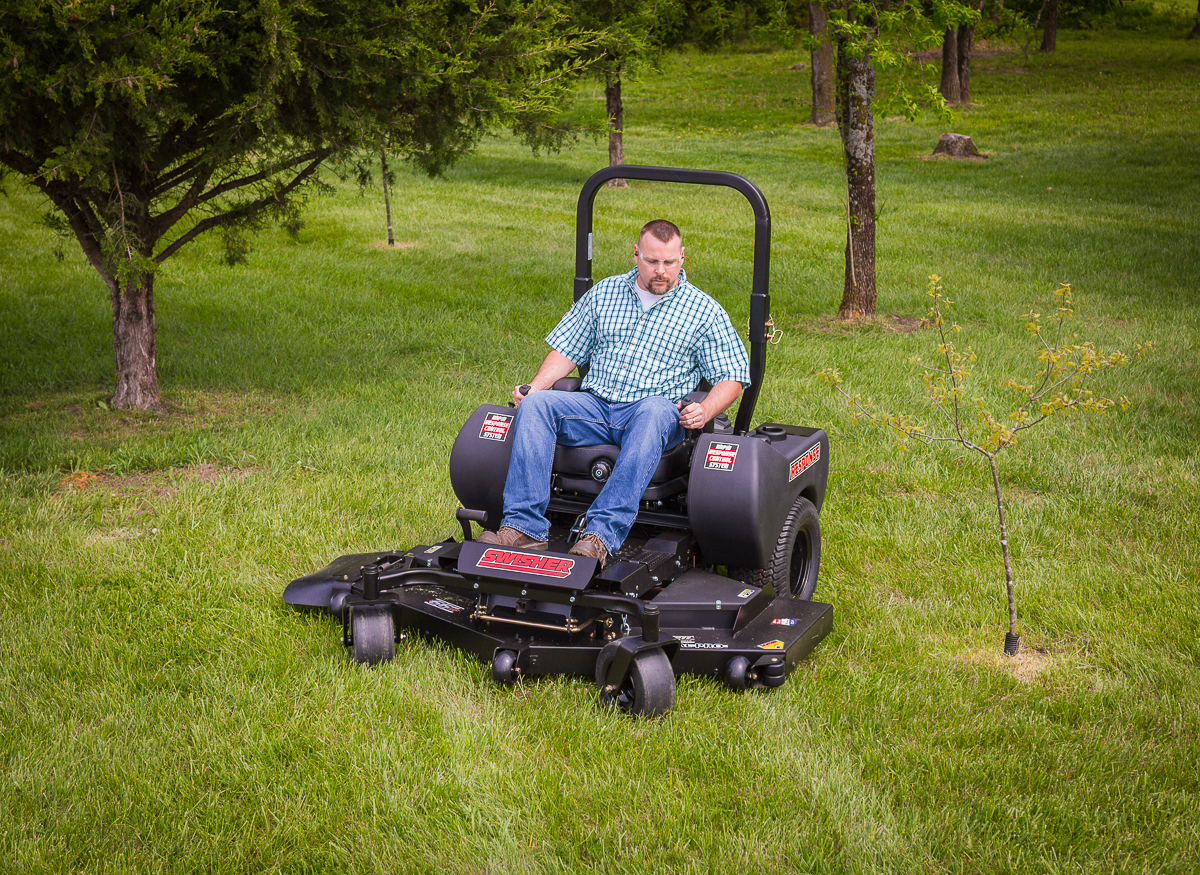
As the temperatures drop and the growing season ends, the time comes for you to prepare your outdoor power equipment for winter storage. Proper winterization of your zero-turn lawn mower, in particular, is a crucial maintenance task that protects your investment from the harsh effects of cold weather and inactivity.
This guide provides a straightforward, step-by-step process for winterizing your zero-turn lawn mower. By following these instructions, you can confidently store your machine, knowing it will be in prime condition for the first cut of the new season.
1. Gather Your Tools and Supplies
Before you begin, make sure you have everything you need. Start with a clean, well-lit space, like a garage or shed, to ensure a safe and easy winterization process. Then, gather all the tools and supplies you’ll need. Here is a list of essential ones you should have on hand:
- Fuel stabilizer
- Engine oil
- New oil filter
- New air filter
- New spark plug(s)
- Spark plug wrench
- Socket set and wrenches
- Cleaning brushes and a scraper
- Hose with a spray nozzle
- Gloves and safety glasses
- Lubricant or grease gun
- Battery trickle charger
- Protective mower cover
2. Clean the Mower Thoroughly
Storing a dirty mower is never a great idea. This can lead to rust, corrosion, and pest infestations. A thorough cleaning is the first and most crucial step in the winterization process of your zero-turn mower.
Exterior Cleaning
Start by cleaning the mower’s exterior. Use a hose, pressure washer on a low setting, or compressed air to remove loose dirt, grass clippings, and debris from the body, wheels, and operator station. Pay close attention to crevices where moisture and organic material can accumulate.
Under the Deck
The underside of the mower deck is a prime location for caked-on grass and mud, which can trap moisture and cause the metal to rust. Tilt the deck to a secure, accessible position, then use a scraper or putty knife to remove all the buildup. Once the heavy debris is gone, wash the area with a stiff brush and water.
Blades
While cleaning the deck, inspect the mower blades. Look for signs of wear, damage, or dullness. Clean them as well to remove any remaining debris. This is an excellent time to sharpen the blades or replace them if they are heavily damaged, so they are ready for the next season.
3. Drain or Stabilize the Fuel
Leaving untreated gasoline in the mower’s fuel system over the winter is one of the most common causes of start-up problems in the spring. Over time, fuel degrades and can leave behind gummy deposits that clog the carburetor and fuel lines. You have two options to prevent this.
Add a Fuel Stabilizer
The easiest method is to use a fuel stabilizer. Fill the fuel tank to about 90% full to prevent moisture from condensing inside, and then add the stabilizer according to the product’s instructions. Run the engine for about five minutes to allow the treated fuel to circulate through the entire system, including the carburetor and fuel lines.
Drain the Fuel
Alternatively, you can completely drain the fuel system. Run the mower until the tank is empty and the engine stops. This method ensures no fuel is left to degrade, but it can leave the carburetor and other internal components exposed to air and potential moisture. For this reason, many manufacturers recommend using a stabilizer instead.
4. Change the Oil and Oil Filter
Old engine oil contains contaminants and combustion byproducts that can become corrosive during storage, damaging internal engine parts. Changing the oil before winter is critical for engine health.
To change the oil, run the engine for a few minutes to warm it up, which helps the oil drain more easily. Then, get the oil pan in place and remove the plug to allow the old oil to drain completely. Replace the oil filter with a new one, and rub some fresh oil on the new filter’s gasket before screwing it on. Finally, refill the engine with the correct type and amount of new oil as specified in your owner’s manual.
5. Check and Replace the Air Filter
The air filter prevents dust and debris from entering the engine. A clogged filter restricts airflow, reducing engine performance and increasing fuel consumption.
Remove the cover and inspect the filter. If it’s a paper filter and appears dirty, it’s best to replace it. If you have a foam filter, you can often clean it with soap and water, let it dry completely, and then re-oil it before reinstalling. A clean air filter is essential for efficient engine operation.
6. Inspect and Replace the Spark Plug
The spark plug is responsible for igniting the fuel-air mixture in the engine. A worn or fouled plug can lead to hard starting, misfires, and poor performance.
Using a spark plug wrench, carefully remove the spark plug and examine its condition. Look for signs of carbon buildup, oil residue, or electrode wear. While it’s possible to clean a spark plug, they are inexpensive and easy to replace. Installing a new one ensures a strong, reliable spark for the next season.
7. Lubricate Moving Parts
Any quality American-made zero-turn mower will have several moving parts that require proper lubrication to operate smoothly and prevent rust. Identify all grease fittings (zerks) on your mower, which you’ll find on wheel spindles, caster pivots, and deck lift mechanisms. Use a grease gun to apply a high-quality lubricant to each fitting until you see fresh grease emerge. This forces out old grease, moisture, and dirt.
8. Check the Battery
Cold weather is tough on batteries. To prevent damage to yours and ensure it holds a charge, it’s best to disconnect the battery when storing your mower for the winter.
First, disconnect the negative (black) terminal, followed by the positive (red) terminal. Clean any corrosion from the terminals and cable ends using a wire brush. Store the battery in a cool, dry place away from freezing temperatures and direct sunlight. To maintain its charge, connect it to a battery tender or trickle charger throughout the season.
9. Store the Mower Properly
The final step is to store your mower correctly. A dry, sheltered location like a garage or shed is ideal to protect it from the elements. If possible, park the mower on a hard surface rather than bare ground to reduce moisture exposure.
Finally, cover the mower with a breathable, water-resistant cover. This will shield it from dust, debris, and moisture while preventing condensation from forming beneath it. Avoid using plastic tarps, as they can trap moisture that will eventually promote rust.