MADE IN THE USA SINCE



Reasons To Add a Storm Shelter to a New Construction Home
- Sales Rep Acct
- ESP Safety Shelter
- Apr 27, 2026
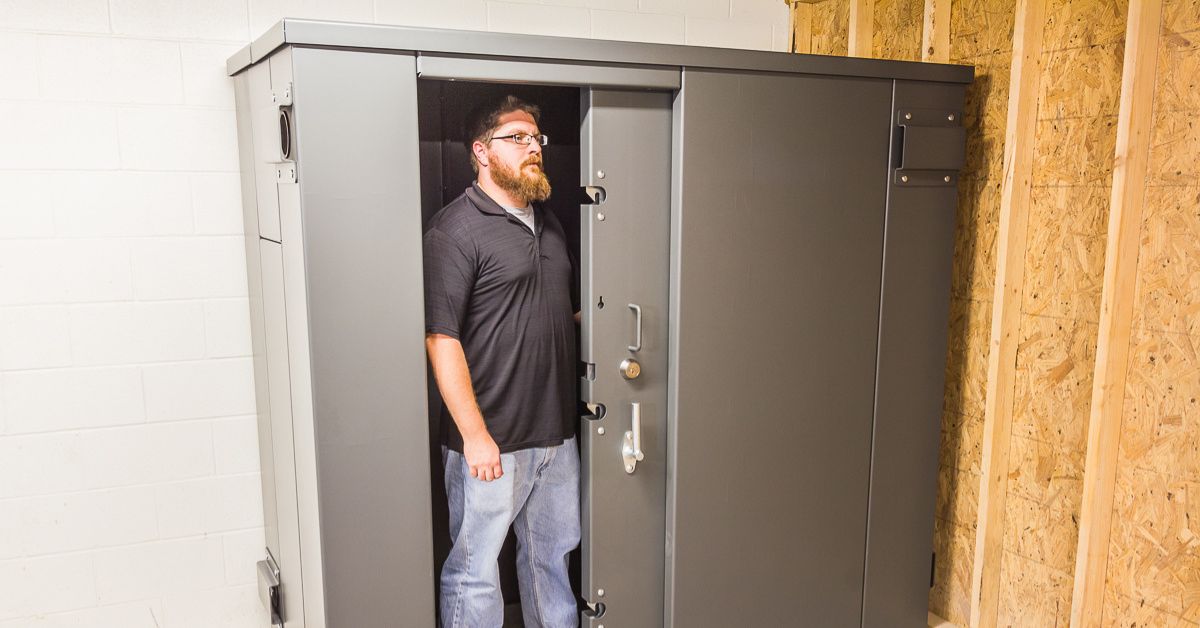
Building a new home gives you a chance to make smart decisions before anything is set in stone. A lot more goes into this process than simply choosing finishes or room sizes. You’re making tons of decisions on how this home will serve you and your family in the many years to come that you’ll be spending in it.
While there will be plenty of good times to be had, you can’t overlook the importance of preparing for the moments that aren’t. That’s why you should consider adding a storm shelter to your new home construction. While it might sound like overkill to some, there are many reasons why taking care of this now is truly the best option.
It Gives You a Dedicated Place to Go During Severe Weather
The key reason for making this decision now is that when severe weather hits, people need a safe place they can retreat to. A storm shelter gives your household a dedicated safe space rather than leaving you to rely on an interior room and hope it feels sufficient.
That sense of certainty matters in times like this. If a warning comes in during the night or while a storm is moving fast, a clear plan helps everyone respond more quickly. You’re not debating options because the safest place is already established and ready for whatever disasters await.
This also changes how the home feels long before bad weather arrives. People often feel more at ease when they know they’ve prepared for realistic risks. A shelter can’t control the weather, but it can reduce the fear that comes from feeling unprepared.
It’s Easier to Build It Into the Home From the Start
New construction gives you flexibility that disappears once you’ve finished your house. Adding this now will allow you to work the shelter into the plan while the layout is still taking shape, making it easier to create a natural fit. Instead of forcing a solution later, you can build the home around the protection you want.
That matters because storm shelters work best when they feel intentional. A shelter should be easy to reach, simple to use, and located where people can get to it quickly under stress. Planning for it early gives you the best chance to make those choices well.
Builders also find it easier when the shelter is part of the original scope. They can account for the space during site prep and construction instead of trying to work around a finished structure. That usually leads to fewer compromises and a cleaner result.
It Can Help You Avoid a Difficult Retrofit Later
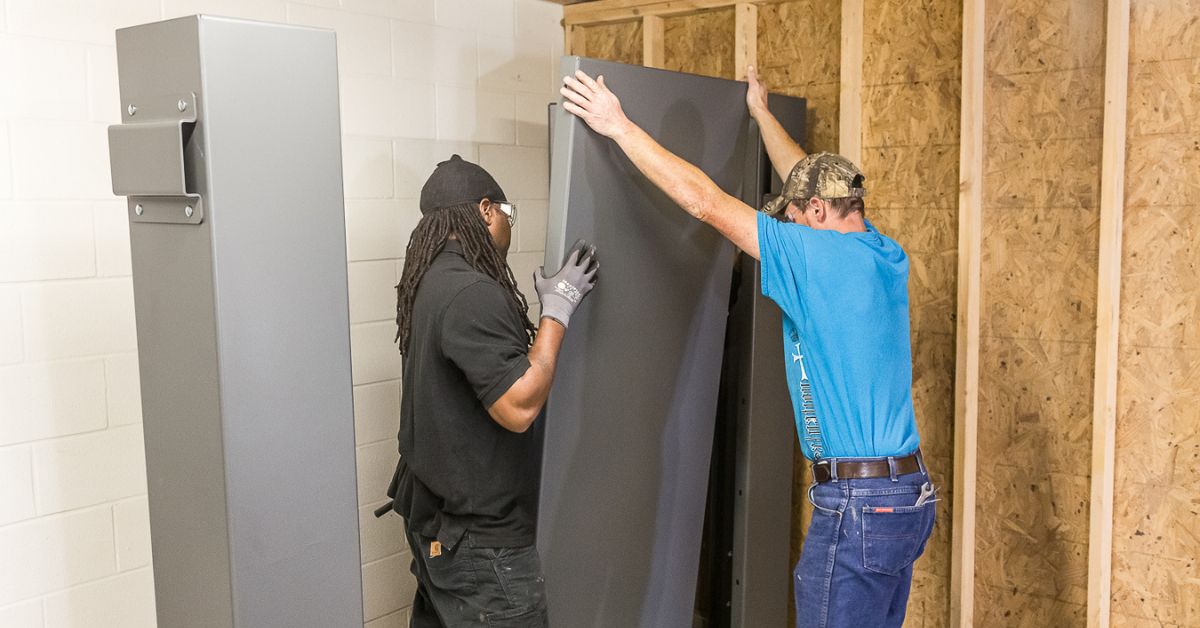
Many homeowners assume they can always add some kind of safety shelter down the road. While this is possible much of the time, that’s not always the case. For some homes, this can often become much more complicated than expected. That’s because adding a shelter may involve cutting concrete, adjusting surrounding areas, or disrupting parts of the property that have been in place for years.
This all leads to this kind of retrofit becoming a frustrating project very quickly. Even when the installation goes well, it’s often much messier than needed and limits what can realistically be done.
Building the shelter during the construction of a new home helps you avoid that problem entirely. Since the work happens while the home is already being built, the installation will become part of the process instead of a separate disruption. That can save a ton of time and effort, all while making the final setup more functional.
It Lets You Choose a More Practical Location
Location plays a major role in how useful a storm shelter will actually be. If it’s too far from the main living area or awkward to access when in a rush, the shelter may not serve your household as well as it should. Taking care of this during initial construction gives you more control over where the storm shelter will go and the path leading to it.
That level of control is hard to match later. Once the layout is fixed, your choices narrow quickly, and convenience often gets pushed aside by structural limits. When you plan ahead, you can choose a location that supports quick access without fighting the rest of the home’s design.
It Supports a More Thoughtful Approach to Building
A new home should do more than look good on move-in day. It should reflect the way you actually live and the challenges that come with your location. Adding a proper safety shelter shows that the home was designed with function in mind, not just appearance.
That kind of planning tends to improve the whole building process. When homeowners think seriously about protection early, they often make stronger decisions overall because they’re focusing on how the home will perform over time. The shelter becomes part of a broader mindset that values preparation instead of last-minute reaction.
This doesn’t mean every home needs every possible upgrade. It just means some decisions carry more weight because they affect how secure the home feels during a serious event. A storm shelter falls into that category because it serves a clear purpose that goes beyond comfort.
It Makes Sense in Areas With Real Storm Risk
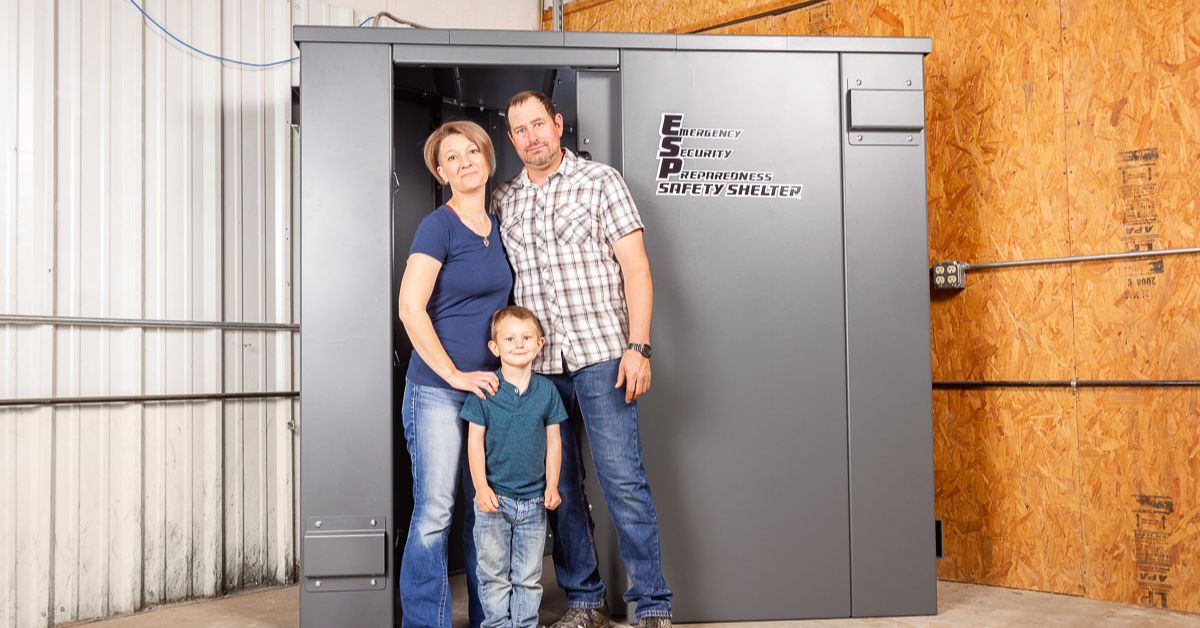
Some home safety features come down to preference, but storm protection depends heavily on where you live. In regions that deal with tornadoes or severe storms, a shelter responds to a known concern rather than an abstract one. It fits the conditions around the home instead of ignoring them.
That makes new construction the right time to address the issue. If you already know your area faces dangerous weather, it makes more sense to plan for it while the house is still being built. Waiting until later often means spending more effort to solve a problem you could have addressed from the start.
Building with your environment in mind usually leads to better long-term decisions as well. A storm shelter embodies that approach because it connects the home to the realities of the region. Rather than hoping standard construction will always feel like enough, you create a more protected space while you still have the flexibility to do it well.
It Can Save You From Second-Guessing the Decision Later
Homeowners often think more seriously about storm shelters after a close call. A major storm, a local warning, or damage nearby can suddenly make the idea feel much more urgent. By then, though, the easiest time to add one has usually passed.
That’s one of the strongest reasons to decide to add a storm shelter during new construction. You can think it through with a clear head while options are still open and while the installation can happen as part of the larger build. That puts you in a better position than waiting for a moment when fear is driving the decision.
A safety shelter isn’t the kind of feature most people want to regret skipping. When the opportunity exists during construction, it often makes sense to act on it then. Doing so can leave you with a home that feels not only complete but better prepared for the conditions it may eventually face.