MADE IN THE USA SINCE



The Complete Guide to Maintaining Your Log Splitter
- Sales Rep Acct
- Swisher Products, Tips, and Advice
- Dec 24, 2025

A log splitter is a powerful piece of equipment that makes quick work of processing firewood. To ensure it operates safely and effectively for years to come, regular maintenance is essential. Neglecting maintenance can lead to costly repairs, operational failures, and significant safety hazards.
This guide will walk you through the essential practices for maintaining your log splitter, covering everything from pre-use checks to long-term storage. By following these steps, you can keep your machine in peak condition and ready for any task.
Pre-Use Maintenance Checklist
Before every use, a thorough inspection is crucial for safe and efficient operation. Start by examining the entire machine for any visible signs of damage, such as cracks in the frame, leaks from hoses, or worn-out components. Pay close attention to the hydraulic system, as even a small leak can compromise performance and safety. Next, verify that all bolts, nuts, and screws are securely tightened. The vibrations produced during operation can cause fasteners to loosen over time, so this check is fundamental.
You must also confirm that all fluid levels are adequate. Check the hydraulic fluid and, for gas-powered models, the engine oil. Operating the machine with low fluid levels can cause severe damage to the hydraulic pump and engine. It’s also wise to clean any accumulated dirt, sawdust, or sap from the machine’s surfaces. Debris can interfere with moving parts and accelerate wear. Finally, test all safety features, including control levers, emergency shut-off switches, and any protective guards, to ensure they are functioning correctly before you begin work.
Post-Use Maintenance Routine
You’ll also want to develop a consistent post-use routine to help prevent long-term issues. The first step is to thoroughly clean the wedge and the beam. Wood debris, sap, and moisture can accumulate here, leading to rust and corrosion if left unattended. A stiff brush and a clean cloth are usually sufficient for this task. Once clean, conduct another inspection for any new signs of wear and tear that may have occurred during operation. Catching minor damage early can prevent it from escalating into a major problem.
Lubrication is another critical step. Apply a light coat of grease or oil to all moving parts, such as the areas where the wedge slides along the beam. This reduces friction and protects metal surfaces from rust, ensuring smooth operation next time. If you plan on storing the log splitter for an extended period, it’s recommended to drain the hydraulic fluid and fuel from the machine. This prevents the fluids from degrading and causing damage to the system components over time.
Seasonal Maintenance Tips
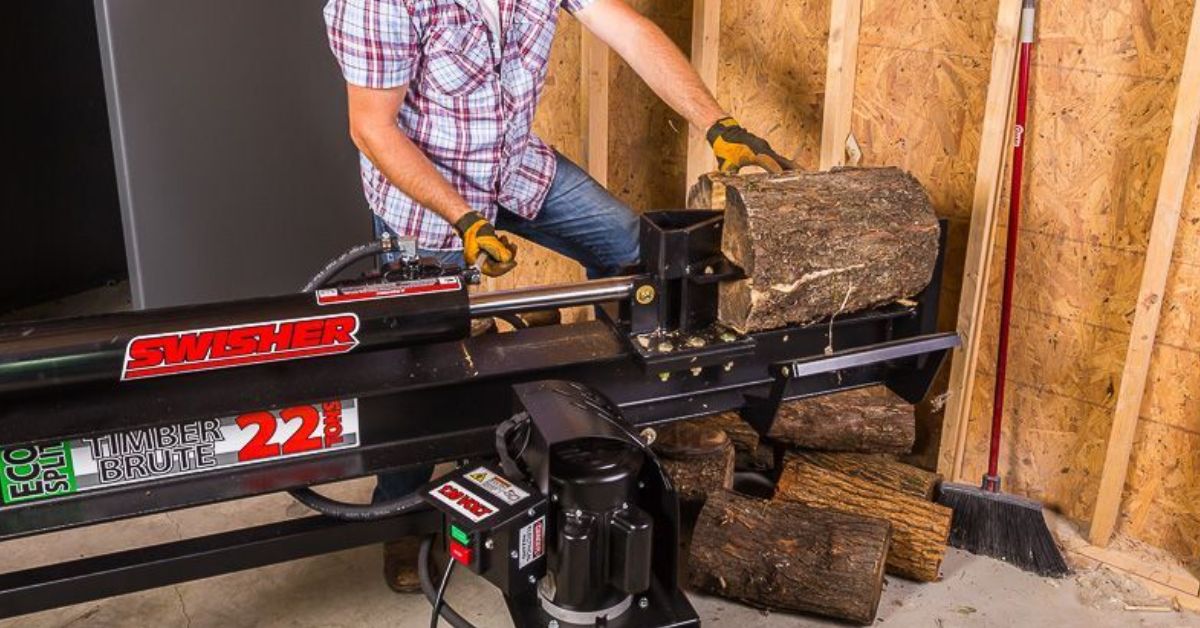
An important thing to note about maintaining your log splitter is that your approach should adapt to the changing seasons. During the spring and summer months, when log splitters often see heavy use, focus on frequent cleaning and lubrication to counteract the increased workload. In the fall and winter, your attention should shift toward preparing the machine for storage or for operation in colder temperatures. This includes a comprehensive cleaning, draining fluids as needed, and finding a suitable storage location.
If you need to use a log splitter in cold weather, you’ll need to make special considerations. Standard hydraulic fluid can thicken in low temperatures, which strains the pump and slows down the machine. Switching to a winter-grade hydraulic fluid will ensure consistent performance. Additionally, using the log splitter in a dry, temperature-controlled space like a garage or shed can help protect it from the harsh effects of winter, which can damage both the engine and the hydraulic system.
Hydraulic System Maintenance
The hydraulic system is the heart of your log splitter, making its maintenance paramount. Regularly check the hydraulic fluid level according to the manufacturer’s instructions. If the level is low, top it off with the recommended type of fluid. Over time, hydraulic fluid degrades and becomes contaminated, losing its effectiveness. Plan to replace the fluid completely at the intervals specified in your owner’s manual. This process typically involves draining the old fluid, cleaning the reservoir, and refilling it with fresh fluid.
Carefully inspect all hydraulic hoses for leaks, cracks, bulges, or other signs of weakness. A failing hose can burst under pressure, creating a dangerous situation and bringing your work to a halt. If you notice air in the hydraulic system, which can cause erratic or slow cylinder movement, you will need to bleed it. Bleeding involves cycling the ram back and forth several times to purge the air, ensuring the system operates smoothly and powerfully.
Engine Maintenance for Gas-Powered Models
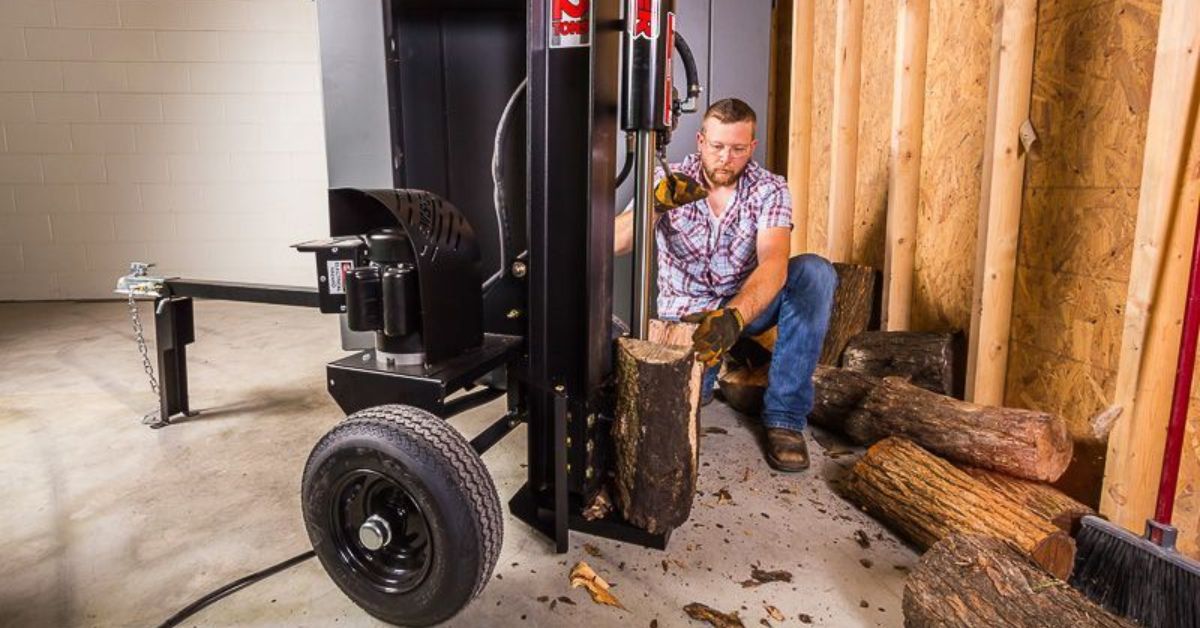
For gas-powered log splitters, the engine requires its own specific maintenance schedule. Regular oil changes are vital for engine longevity. Follow the manufacturer’s recommendations for the frequency of oil changes and the type of oil to use. The process is straightforward: drain the old oil, replace the oil filter if applicable, and refill with fresh oil to the correct level.
The air filter is another critical component that protects the engine from dust and debris. A clogged air filter restricts airflow, reducing engine power and increasing fuel consumption. Inspect the air filter regularly and clean or replace it as needed. The spark plug also requires periodic attention. A worn or dirty spark plug can cause starting issues and poor engine performance. Check it for wear and proper gap, and replace it if it shows signs of fouling or corrosion. If you don’t want to worry about all of this, you could always just buy an electric log splitter instead.
Sharpening and Maintaining the Wedge
The performance of your log splitter is directly tied to the sharpness of its wedge. A dull wedge requires more force to cut wood, which puts unnecessary strain on the engine and hydraulic system. It also tends to crush the wood rather than splitting it cleanly, resulting in less efficient work. You can sharpen the wedge using a flat file or a grinder. Follow the original angle of the wedge’s bevel to maintain its proper cutting geometry.
Secure the machine before you begin, and wear appropriate personal protective equipment. To prevent rust, which can dull the wedge and impede its movement through wood, keep it clean and lightly oiled, especially during storage. A rust-free wedge will slice through logs more effectively and will last much longer.
Storage and Long-Term Care
Finally, proper storage will be key to preserving your log splitter for the long term. The ideal storage location is a dry, covered area that provides protection from the elements, such as a garage, shed, or barn. A temperature-controlled environment is even better, as it prevents condensation and extreme temperature fluctuations. If you must store the machine outdoors, use a high-quality, weatherproof cover that shields it from rain, snow, sun, and dust.
Even during storage, it’s a good practice to perform periodic checks. Inspect the machine every few weeks for any signs of rust, fluid leaks, or pest infestations. Rodents can chew through wires and hoses, so taking preventative measures can save you from unexpected repairs when you retrieve your log splitter next season.