MADE IN THE USA SINCE



Tips for Clearing Land Before a New Construction
- Sales Rep Acct
- Swisher Products, Tips, and Advice
- Jun 19, 2026
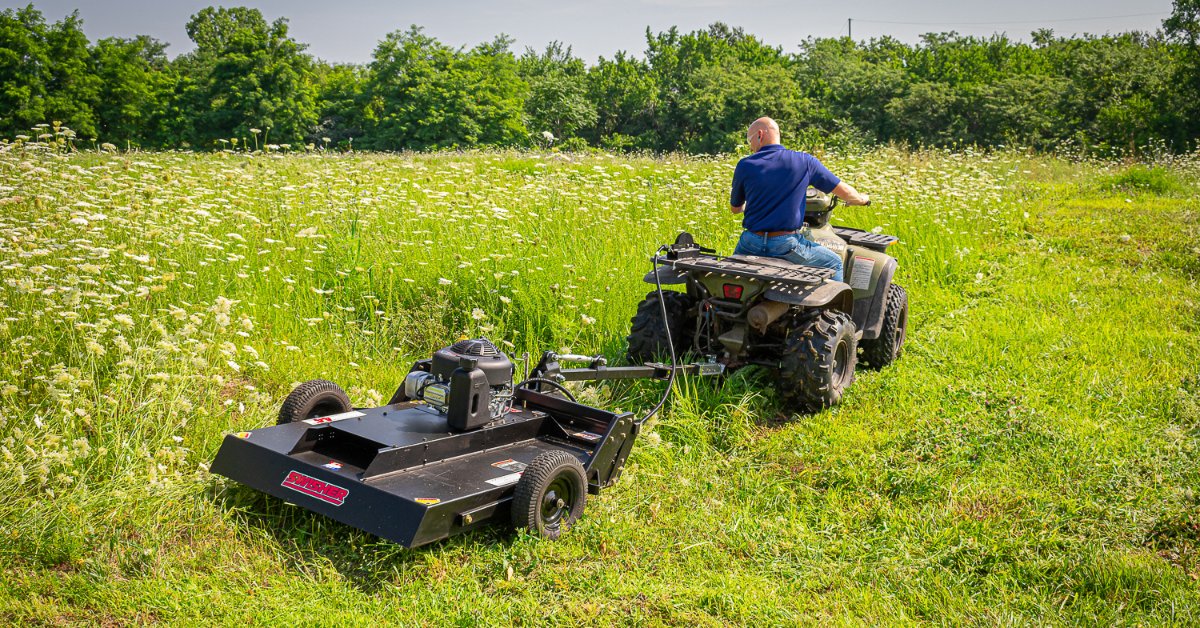
Preparing land for new construction starts with understanding what the build site actually needs. While the build site itself needs to be clear, the space around it might need to be smoothed out as well, so crews can get where they need to go without fighting the property itself. When you plan the clearing process well, you set yourself up for success. These tips for clearing land before a new construction project will help you get started on the right foot.
Start With a Full Site Walk
Walk the property before you cut anything. A slow pass through the build area can reveal problems that aren’t obvious from the driveway. Thick growth may hide uneven ground, and low areas may stay soft long after the rest of the land dries.
This step also helps you decide what work belongs in your hands. Some clearing may be simple enough to handle with the right equipment. Larger tasks, such as cutting down trees or fixing drainage issues, may require a contractor before construction can begin.
Mark the Build Area Clearly
Mark the future building footprint before clearing starts. Clear boundaries help you avoid removing more vegetation than the project requires. They also help protect parts of the property that still serve a purpose after the build.
You should also mark the route crews will use to reach the site. That path needs enough room for equipment to move without damaging areas outside the work zone. A clear route can prevent confusion once more people start working on the property.
Cut Heavy Growth Before Detailed Work
Heavy brush can hide problems that matter later. Once you cut it down, you can see the ground more clearly and make better decisions about grading or stump removal. This early step keeps the rest of the clearing process from turning into guesswork.
On larger properties, a pull-behind rough-cut mower can help bring thick vegetation under control before the site gets more detailed attention. After that first cut, you’ll have a better view of what still needs cleanup.
Keep Debris From Slowing the Job
The process of clearing land before working on a new construction can create piles of debris faster than expected. If these piles sit in the access path, they can block trucks before construction even starts. That’s why you should try to move material as you work so the site remains usable.
Take the time to think through disposal before the first major clearing day. Some natural materials can stay on the property if local rules allow it. You should remove anything unsafe or unsuitable from the site before crews depend on that space.
Protect the Areas You’re Keeping
Remember that not every part of the property needs to change. Keep equipment away from areas that won’t be part of the build. Temporary markers can help everyone understand where clearing should stop.
Trees near the edge of the work zone may still need protection. Heavy equipment can damage roots even when the trunk stays untouched. Marking those limits early helps preserve the parts of the property you want to keep intact.