MADE IN THE USA SINCE



Tips for Connecting a Mower to Your Tractor
- Sales Rep Acct
- Swisher Products, Tips, and Advice
- Dec 22, 2025
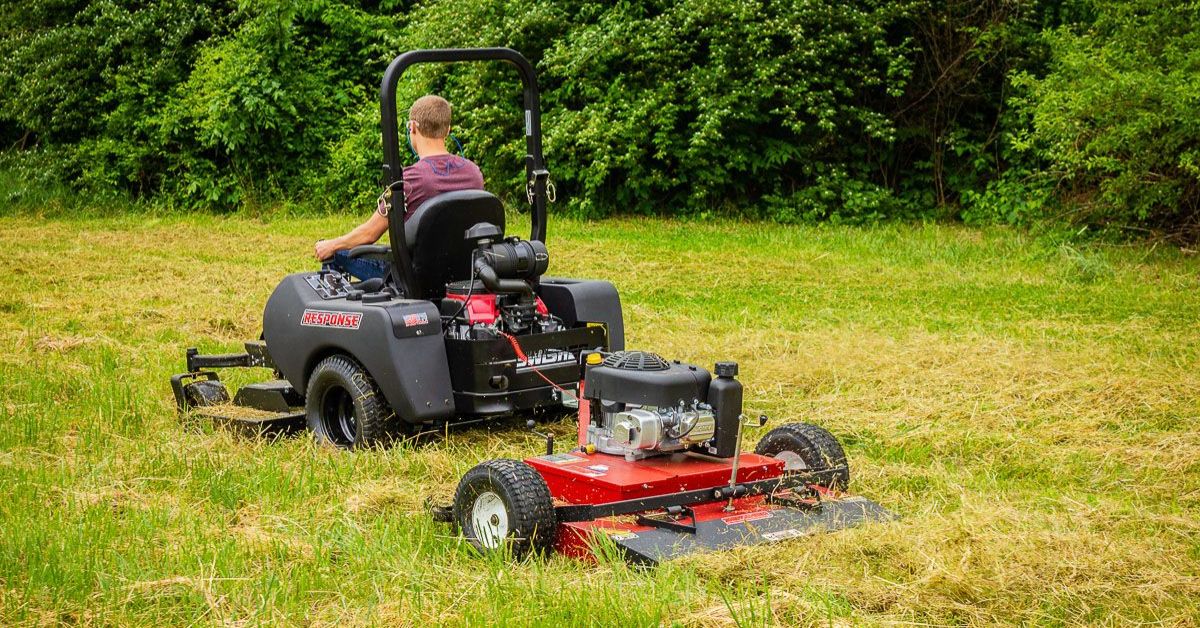
Connecting an external piece of equipment might feel like second nature to experienced operators, but complacency is often where accidents happen, or tools get damaged. Proper attachment ensures your machinery runs efficiently and prevents costly wear on your PTO driveline.
Whether you are using a finishing mower or a rotary cutter, following best practices ensures a safe and productive day in the field. So here are five expert tips to help you connect your mower to your tractor correctly every time.
Start with a Thorough Inspection
Before you even move the tractor into position, take a moment to inspect your gear. A quick visual check of the mower and tractor can save hours of downtime later. Look for visible wear on the hitch points and ensure the power take-off (PTO) shaft is free of debris. If components are dirty, rusted, or damaged, the connection won’t be secure. Ensure the universal joints on the PTO shaft rotate freely and that the safety shields are intact.
Perfect Your Alignment
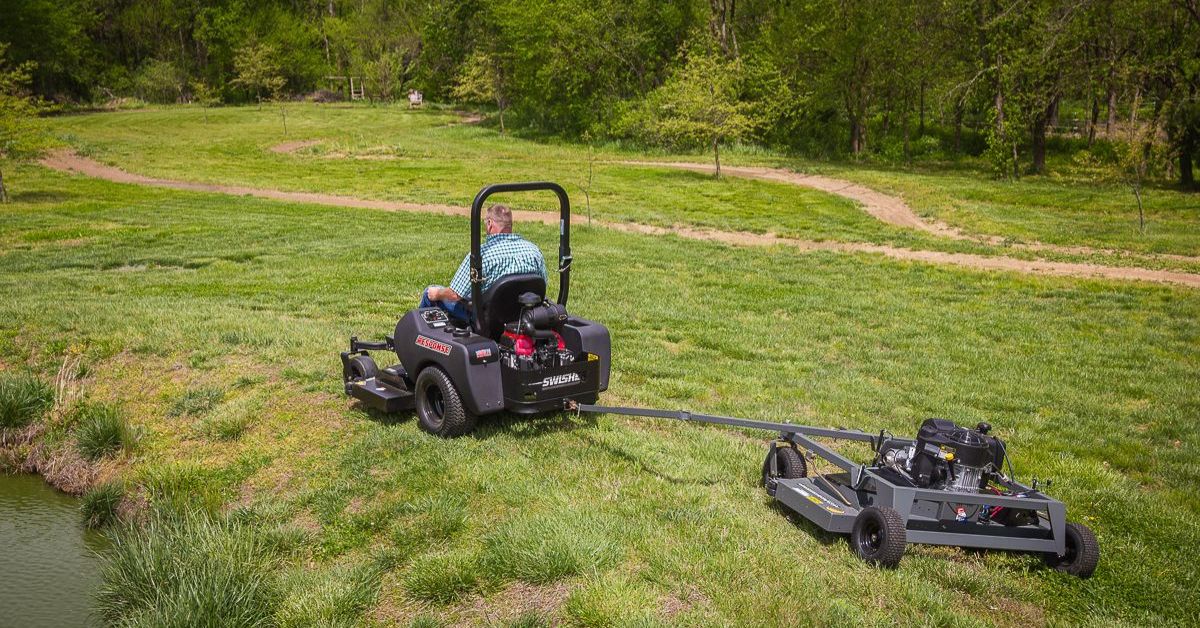
Trying to connect heavy implements on a slope is a recipe for frustration and potential injury. That’s why you should always position both the tractor and the mower on firm, level ground. When backing the tractor up, precision matters. Take it slow and align the tractor’s lift arms as closely as possible with the mower’s hitch pins. Proper alignment minimizes the need for heavy manual lifting and wrestling with the equipment.
Focus on Hitch Security
Once aligned, the priority shifts to a secure connection. Whether utilizing a three-point hitch or a standard drawbar, the connection for your grooming mower must be rigid. Insert your lift arm pins and top link pin, but don’t stop there. The safety clips (often lynch pins or cotter pins) are non-negotiable. Ensure they are fully seated to prevent the implement from detaching during operation, which could be catastrophic.
Clean and Lubricate the PTO Shaft
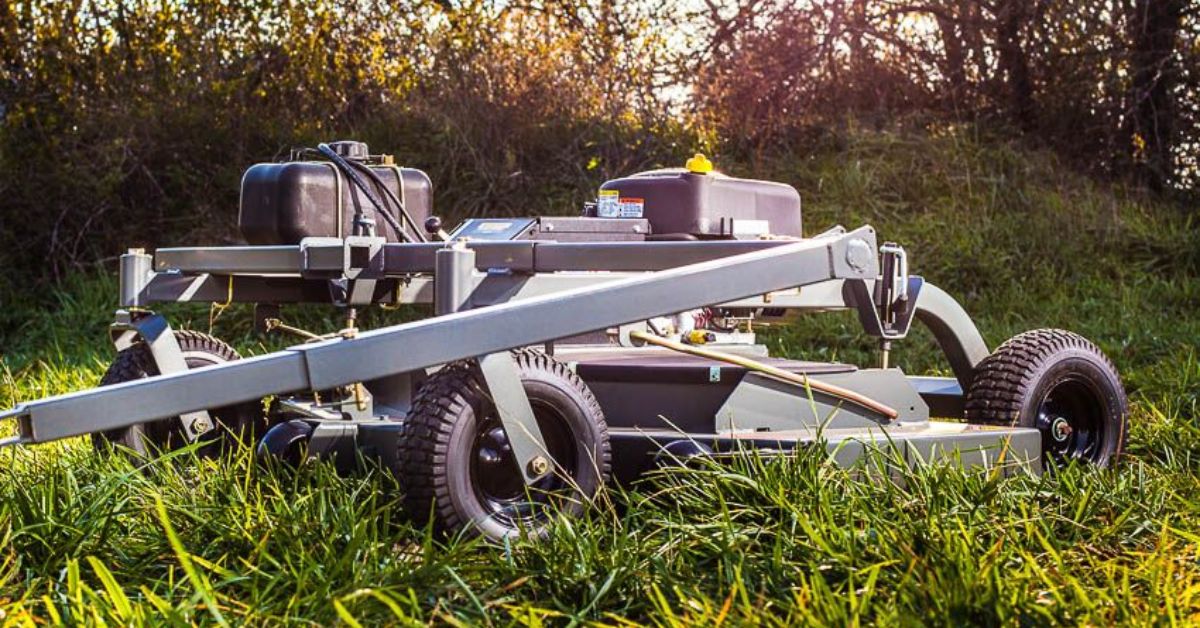
The power take-off shaft transfers massive amounts of energy, so you must treat it with respect. The most important tip for successfully connecting your mower to your tractor is lubrication. A clean, well-greased shaft slides on easily and prevents seizing.
Before connecting, clean the splines on both the tractor stub and the implement yoke. Slide the shaft on until the locking collar clicks or the locking pin engages. Always give the shaft a firm tug to verify it is locked in place before engaging the engine.
Level the Mower Before Cutting
Don’t just drop the mower and start driving. Use your tractor’s hydraulic system to set the cutting height suitable for the terrain you are managing. An unlevel mower leaves an unsightly cut and wears out blades unevenly. Check that the deck is level side-to-side and slightly lower in the front than the rear to reduce horsepower requirements and ensure a cleaner cut.