MADE IN THE USA SINCE



What Does the Price of Steel Mean for Manufacturing?
- Sales Rep Acct
- Contract Manufacturing
- Nov 8, 2023
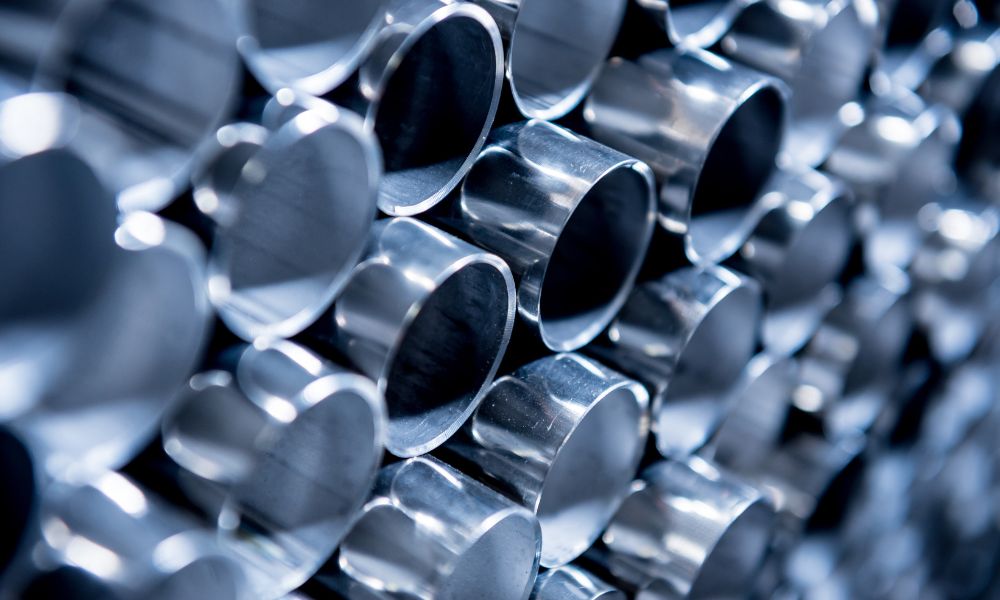
The cost of materials is a major roadblock for companies. Discover what the price of steel means for manufacturing and what you can do to mitigate its effects.
Manufacturing businesses are dependent on various materials, from metals to plastics, to create their products. Among the materials companies commonly use, steel is the top choice. Steel is the best resource to create everything from tools and machines to infrastructure and buildings. It’s also one of the most important materials for construction, so its price affects both manufacturers and consumers. We’ll take a closer look at what steel prices mean for manufacturing businesses and what manufacturers can do to fight increases.
Understanding Current Steel Market Trends
There is a myriad of factors that impact the overall price of steel. One of the most significant drivers of this is global market demand. If the demand for steel is high, the price will increase. Conversely, if demand decreases, prices will drop. Another factor that can impact steel pricing is geopolitical events. For example, tariffs, trade disputes, and supply chain disruptions may cause short-term spikes in pricing. However, over the long term, steel pricing tends to be price-inelastic, meaning changes in price do not significantly alter demand.
Impact on Your Business
The price of steel has a significant effect on the manufacturing industry. If the cost of production rises, manufacturers may feel forced to make difficult decisions regarding pricing, production levels, and even layoffs. Rising costs may also impact consumer pricing, resulting in a decline in sales. To mitigate the impacts of rising steel costs, manufacturers should look for alternative materials or identify cost-saving techniques, such as lean manufacturing and supply chain optimization.
Strategies for Mitigating Steel Costs
There are several strategies that manufacturers may implement to mitigate the impact of steel cost fluctuations. First, businesses should consider locking in prices with long-term contracts. This strategy can provide businesses with some stability from market fluctuations. Next, businesses can engage in supply chain diversification, which can help identify alternative raw material sources or suppliers that aren’t impacted by steel pricing fluctuations. Finally, focus on optimizing processes and reducing waste, as these actions can save money on raw materials and improve efficiency.
The Long-Term View
Although the price of steel can significantly impact the manufacturing industry's bottom line, it's essential to understand that steel pricing tends to be cyclical. It's critical to take a long-term view when assessing the impact of steel pricing on your business. By remaining up to date with market trends, hedging risks, diversifying supply chains, and optimizing processes, companies can mitigate the significant impact that rising steel prices can have on their businesses.
Manufacturers across the world deal with steel price fluctuations. However, small and medium-sized businesses tend to encounter this issue the most. That’s why the team at Swisher does everything we can to mitigate the risks and ensure our clients get everything they need from the manufacturing process. Our contract manufacturing services not only help you build the perfect products but also allow you to do so at a price that works for you. Reach out today to learn more.