MADE IN THE USA SINCE



What To Know About Above-Ground Tornado Shelter Installation
- Sales Rep Acct
- ESP Safety Shelter
- Jun 1, 2026
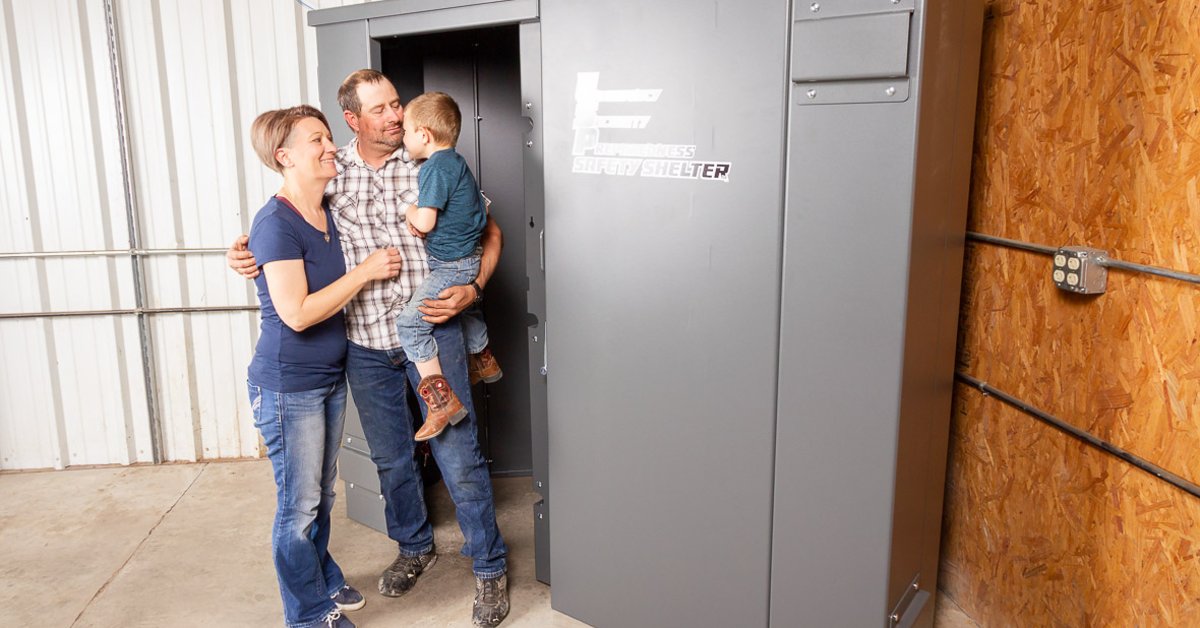
Tornado shelter installation isn’t a project you ever want to rush. That’s because the shelter has to perform when conditions outside turn dangerous. For many people looking to install a tornado shelter, above-ground options will be the ideal choice.
Still, the shelter itself only solves part of the problem. Where you put it matters just as much. So do the concrete below it, the anchoring method, and how easy it is to access during a severe weather event. To make sure you get all of this right, we’re here to cover everything you need to know about above-ground tornado shelter installations.
Start With Location, Not the Shelter Itself
A good installation begins with where people can reach the shelter fastest. In most cases, the best spot will typically be somewhere relatively close to daily living or working areas, because a shelter that’s too far away can create hesitation.
Garage installations work well for many homes because they often provide an existing slab and a protected path from the house. Some property owners decide to place shelters in shops or barns when they spend long hours away from their house.
You also need enough space around the unit for the door to open fully. Don’t place storage or parked equipment where it can block entry. A clear path should stay clear, even when the garage or exterior building gets busy.
The Slab Does More Than Hold the Shelter
The concrete slab plays a major role in the installation of above-ground tornado shelters. Installers need a slab that can support the shelter and accept the required anchoring system. A weak or thin slab can limit how securely the shelter connects to the structure beneath it.
Before installation, the installer may check the slab’s thickness and overall condition. Anchors rely on solid concrete to resist extreme loads. If the existing slab doesn’t meet the shelter manufacturer’s requirements, you may need a new pad before the shelter can go in.
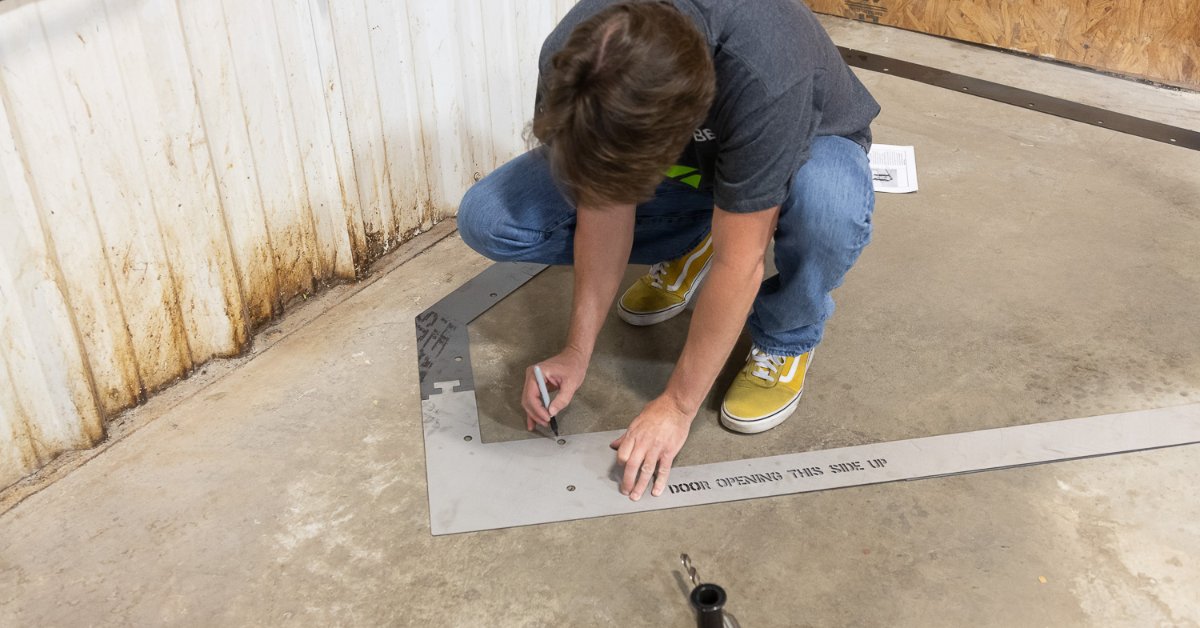
The specific placement on the slab also matters. The installer needs enough edge distance for anchors so the concrete doesn’t break out under stress. A shelter set too close to a slab edge may not allow proper fastening.
Installation Instructions Matter
Every shelter model has its own installation requirements. Those details shouldn’t be ignored, as they tell the installer how the shelter should connect to the slab, what fasteners to use, and how the finished unit should sit in place.
When comparing above-ground storm shelters, look for clear information on the installation process of each model. A strong shelter still needs the right base and the right anchoring process to be fully effective.
A shelter can only perform as designed when the installation follows the manufacturer’s instructions. The installer shouldn’t substitute parts or skip steps to save time. Small shortcuts can create weak points where the system needs to be strongest.
Think Through Door Swing and Entry Needs
The door deserves more attention than many buyers expect. It needs enough room to open, but it also needs a path that remains usable when debris or power outages disrupt normal routines.
Some doors swing inward or outward, while others slide to the side. For the first two options, each design has practical tradeoffs for the installation space. An inward-swinging door may help if debris piles against the outside, while an outward-swinging door can preserve more interior room. Side-sliding doors eliminate both of these issues.
You should also think about who will use the shelter. A low threshold can make entry easier, and grab handles can help when people feel rushed. These details affect whether everyone can use the shelter quickly.
What Professional Installation Usually Involves
A typical installation starts with measurements and a full site review. The installer confirms that the chosen location allows the shelter to fit and the anchors to land where the manufacturer requires.
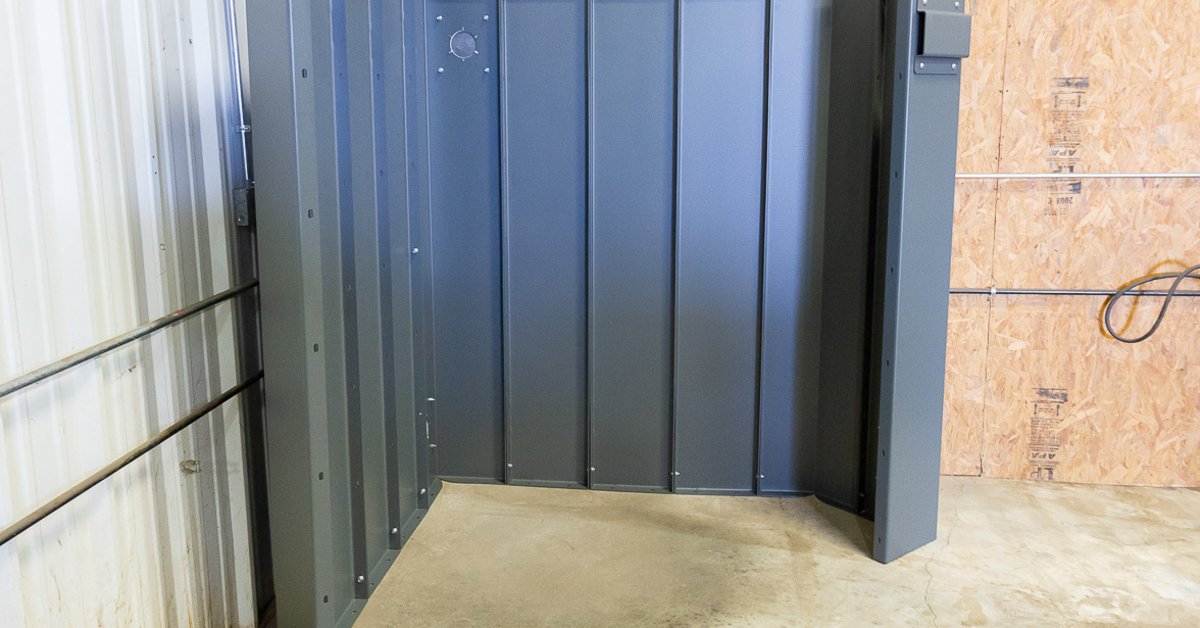
Once the shelter arrives, the crew positions it carefully before drilling anchor holes. They set the anchors to the required specification, then check the door operation after the unit sits in its final position.
Professional installation also reduces the chance of simple but serious mistakes. Misaligned anchors, poor slab placement, or uneven positioning can affect how the shelter functions. A trained installer knows what to check before the job is finished.
Interior Space Should Match Real Use
Capacity isn’t just about how many people can squeeze inside. You need room for the people who live or work on the property, plus any pets or supplies you expect to bring during a warning.
A shelter that feels comfortable for a short test may feel cramped during an extended storm event. Sit inside before you commit if you can. Think about whether someone may need a chair or whether a pet carrier will fit without blocking movement.
Ventilation also matters. The shelter should allow airflow in accordance with its design while keeping the structure secure. Don’t modify the structure or hardware after installation unless the manufacturer approves the change.
Prepare the Site Before Installation Day
Something important to know about the above-ground tornado shelter installation process is that you need to clear the installation area before the crew arrives. Move stored items and anything else that slows access to the slab. If the shelter must pass through a garage door or gate, measure the opening before delivery day.
Some shelters require mechanical handling equipment to move the unit safely. Tight access or overhead wires can complicate delivery, so flag those issues before the shelter arrives.
If your installation requires a new concrete pad, plan that work in advance. Concrete needs proper placement and curing before it can support an anchored shelter. Rushing this step can create a variety of problems later.
Keep Everyday Access in Mind
A shelter works best when it fits naturally into the way you use your property. If you place it in a garage, think about vehicle parking and seasonal storage. If you place it in a shop, think about tools, workbenches, and equipment that may shift over time.
The shelter shouldn’t become hard to reach after installation. People often start with a clear path, then slowly fill the area around it with boxes or machinery. That can turn a good location into a problem when a warning arrives.
It helps to treat the shelter area as a protected space. Keep the door visible. Leave enough room to enter quickly. Make sure everyone who may use it knows how the latch works.