MADE IN THE USA SINCE



Why Homeowners Should Invest in a Storm Shelter
- Sales Rep Acct
- ESP Safety Shelter
- Jun 16, 2025
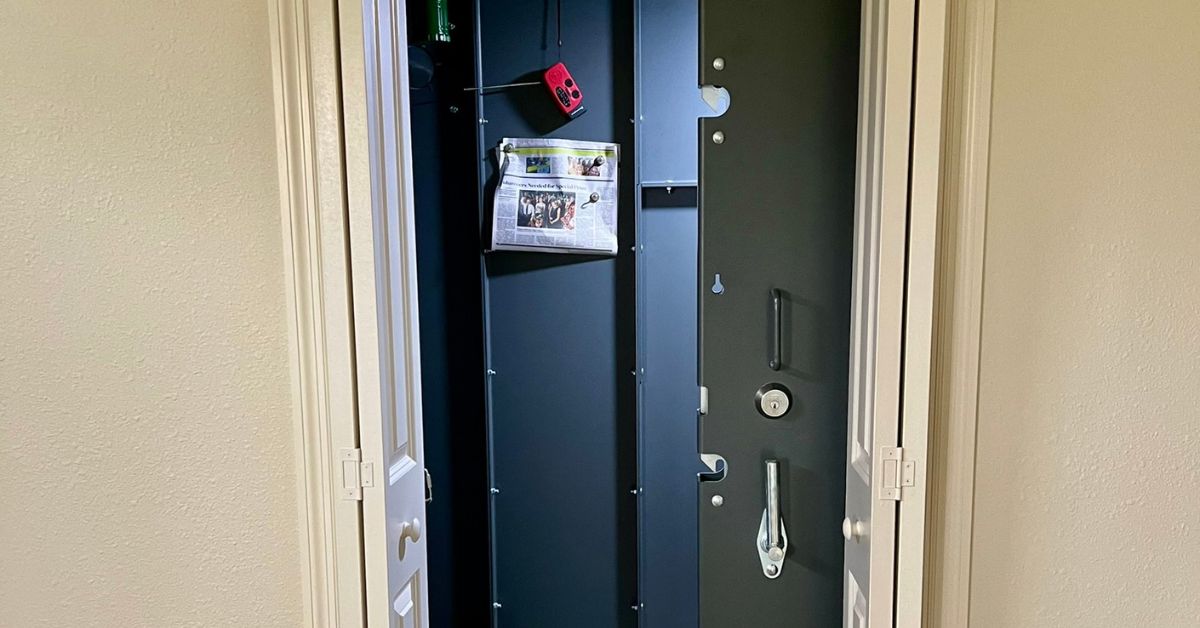
When severe weather strikes, there’s nothing more important than ensuring the safety of you and your loved ones. While there are various precautions you can take to minimize risks, investing in a storm shelter offers unmatched protection during extreme weather events.
From safeguarding your family to protecting valuables, a properly designed storm shelter can be the ultimate lifesaver. This blog explores why every homeowner should consider this essential addition to their property. That way, you can rest easy knowing you’re ready for anything.
Understanding the Risks
Everyone knows severe weather events can be wildly unpredictable and escalate in a matter of minutes, but it’s a good idea to refamiliarize yourself with the details. Tornadoes, hurricanes, and intense storms carry the potential to cause catastrophic damage to homes, leaving families vulnerable.
While some homes may be equipped with safer areas, such as basements or interior rooms, they often don’t offer the level of protection needed to withstand the full force of high winds and debris. Storm shelters serve as dedicated refuges, built specifically to withstand these extreme conditions, providing an invaluable layer of security when you need it most.
For families living in areas prone to such weather conditions, the risks are often immediate and unavoidable. Even those in seemingly less vulnerable regions can still experience the unpredictable nature of storms. By proactively understanding and addressing these dangers, you can minimize uncertainty and improve readiness for unanticipated threats.
Benefits of a Storm Shelter
With that out of the way, it’s time to take a deeper look into the reasons you should invest in a storm shelter. That way, you can determine if it’s the right choice for your household.
Protecting Your Family and Pets
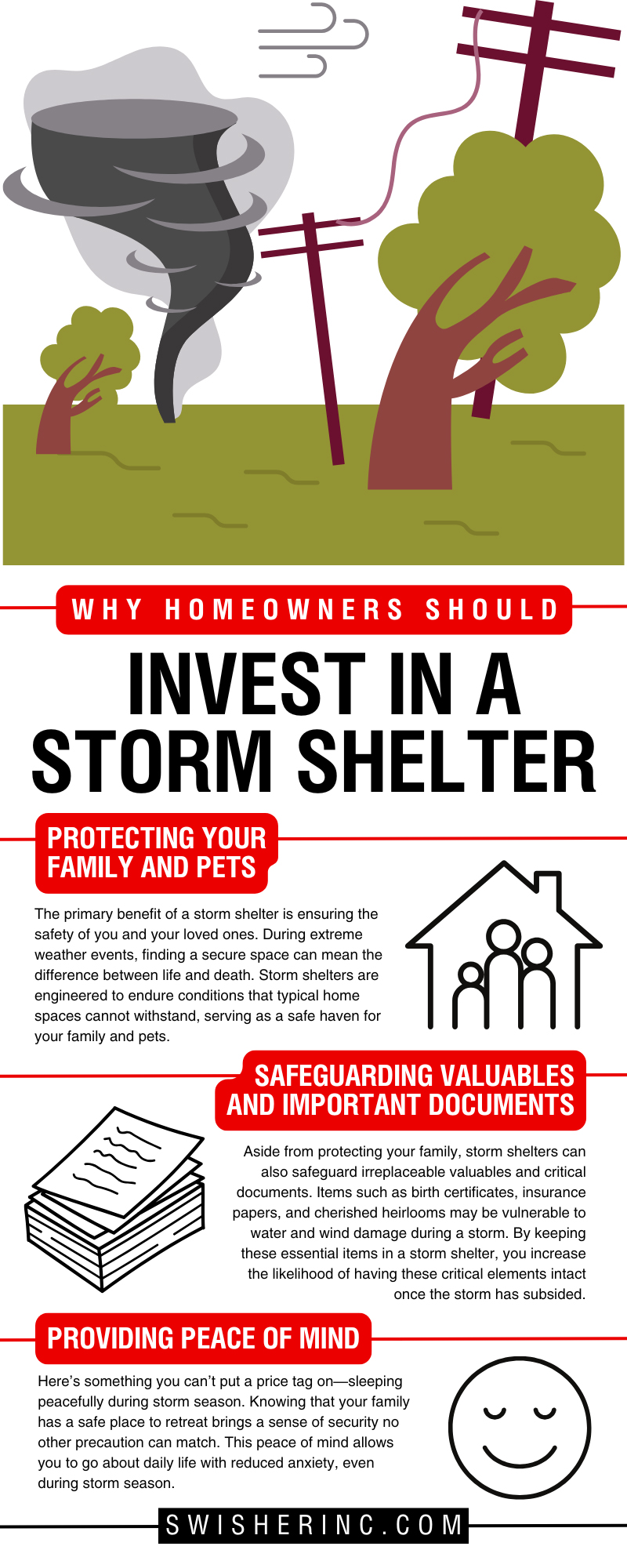
The primary benefit of a storm shelter is ensuring the safety of you and your loved ones. During extreme weather events, finding a secure space can mean the difference between life and death. Storm shelters are engineered to endure conditions that typical home spaces cannot withstand, serving as a safe haven for your family and pets.
Safeguarding Valuables and Important Documents
Aside from protecting your family, storm shelters can also safeguard irreplaceable valuables and critical documents. Items such as birth certificates, insurance papers, and cherished heirlooms may be vulnerable to water and wind damage during a storm. By keeping these essential items in a storm shelter, you increase the likelihood of having these critical elements intact once the storm has subsided.
Consider incorporating a small fireproof safe or dedicated storage area within your shelter to enhance the protection of these items. This added layer of security could prove immensely valuable in the aftermath of a severe weather event.
Providing Peace of Mind
Here’s something you can’t put a price tag on—sleeping peacefully during storm season. Knowing that your family has a safe place to retreat brings a sense of security no other precaution can match. This peace of mind allows you to go about daily life with reduced anxiety, even during storm season.
Factors To Consider When Choosing a Shelter
Even if you decide that investing in a storm shelter is the right move for your home, there are still a few things you’ll need to consider since different families will have unique needs. Before making your final decision, evaluate the following factors to ensure your shelter meets your specific requirements.
Location and Accessibility
Where you place your storm shelter is one of the first decisions you’ll need to make. Location plays a significant role in ensuring quick and easy access during an emergency. You’ll need to find a space that’s large enough to fit your new storm shelter. Basements and garages are usually areas that many people consider due to how much room they’ll need. However, you can put them outside if there’s absolutely no space inside.
You’ll also want to ensure your chosen location is accessible from various points in your home since you can be anywhere when disaster strikes. Consider how elderly family members, small children, or pets will get there quickly. The bottom line is that your shelter should be centrally located and easily accessible.
Size and Capacity
Storm shelters come in a variety of sizes, so selecting an appropriately sized one is key to meeting your family’s needs. A common mistake first-time buyers make is underestimating the space required. Larger families or those with pets may require a shelter with additional capacity so things don’t get too cramped.
Similarly, if you plan to store valuables or emergency supplies, your shelter should accommodate these extras without taking up space you and your family will need. Count heads, list what you want to store, and then size up from there. A little extra room is always better than not having enough space.
Building Materials and Safety Standards
When it comes to storm shelter construction, durability is non-negotiable. Always prioritize shelters built with high-quality materials and certified to meet recognized safety standards such as those set by FEMA. Steel, reinforced concrete, and other robust materials are commonly used in shelters and are capable of withstanding extreme conditions.
Additionally, verify that the shelter has undergone rigorous testing for wind resistance, impact durability, and manufacturing consistency. This will help ensure it can reliably protect occupants during even the worst weather events.
Installation and Maintenance What To Expect
One thing that’s good to know before buying your new storm shelter is that the process of installing one is relatively straightforward. Still, it’ll require careful planning and professional execution. Consulting with credible contractors who have a proven track record in storm shelter installations will help ensure compliance with safety standards and local regulations. Depending on your location and the type of shelter you select, the installation process may involve excavation, securing permits, and structural evaluations.
Once installed, routine maintenance will be crucial. Over time, seals, hinges, and entry points may be subject to wear and tear. Regular inspections help identify vulnerabilities and ensure your shelter remains operational and always ready. Conduct checks at least once a year to confirm hardware stability, structural integrity, and overall functionality. Staying proactive can help keep your shelter prepared for any situation.
Where To Get Your Storm Shelter
Now that you know what you want out of a storm shelter, it’s time to start shopping. Luckily, there’s no better place to begin your search than with Swisher. We offer some of the best quality above-ground storm shelters on the market. Take the time to learn about our offerings to see if our shelters are the right choice for you.